
Last updated September 22, 2026
Free on-site gate assessment - hinges, posts, and your LiftMaster or Nice gate operator checked before anything is quoted
The assessment is free and the quote is the invoice.
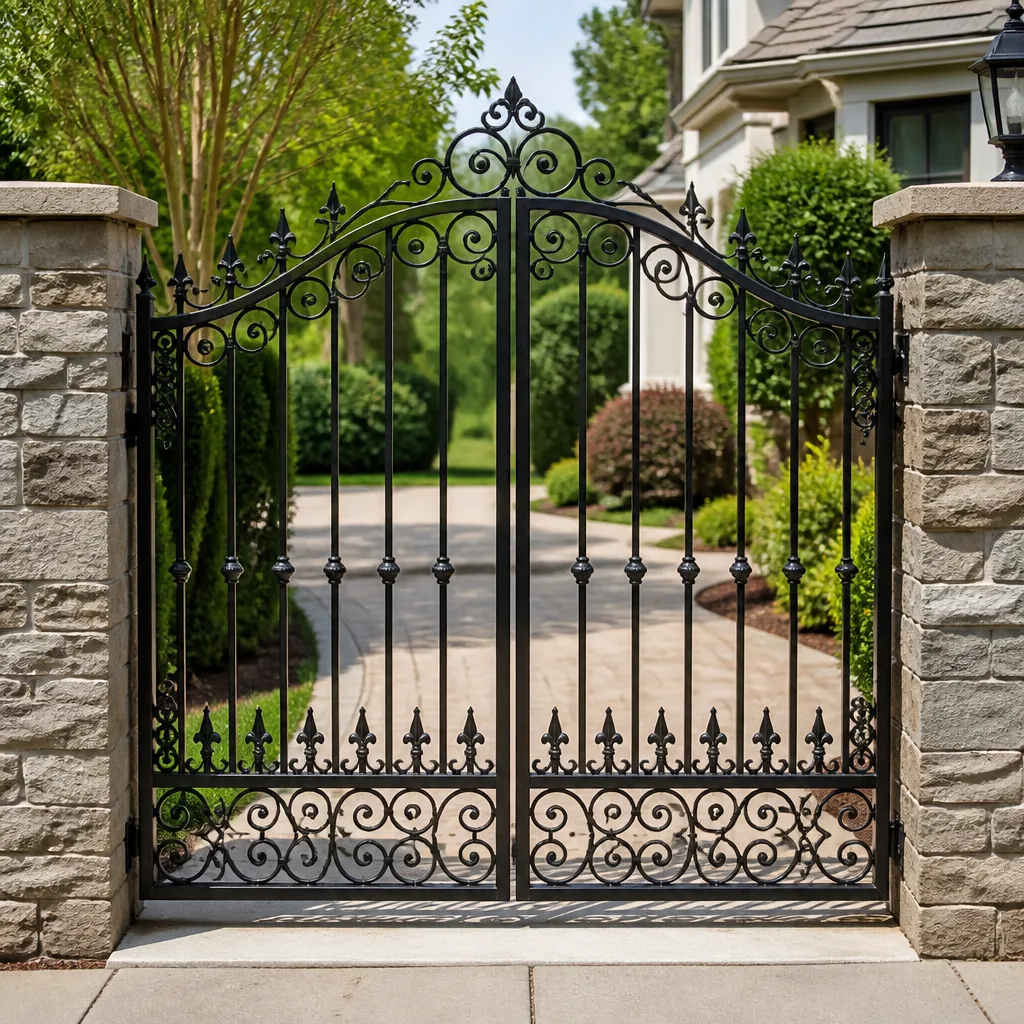
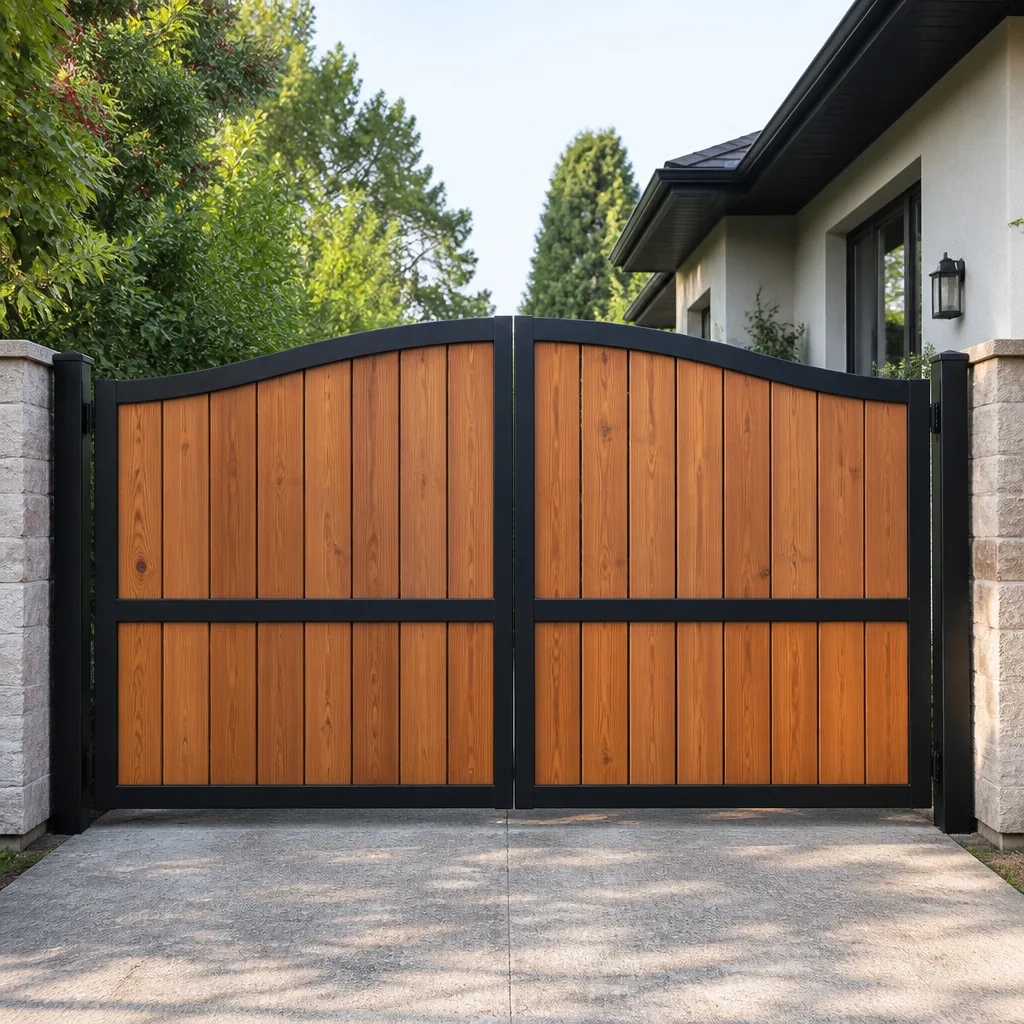
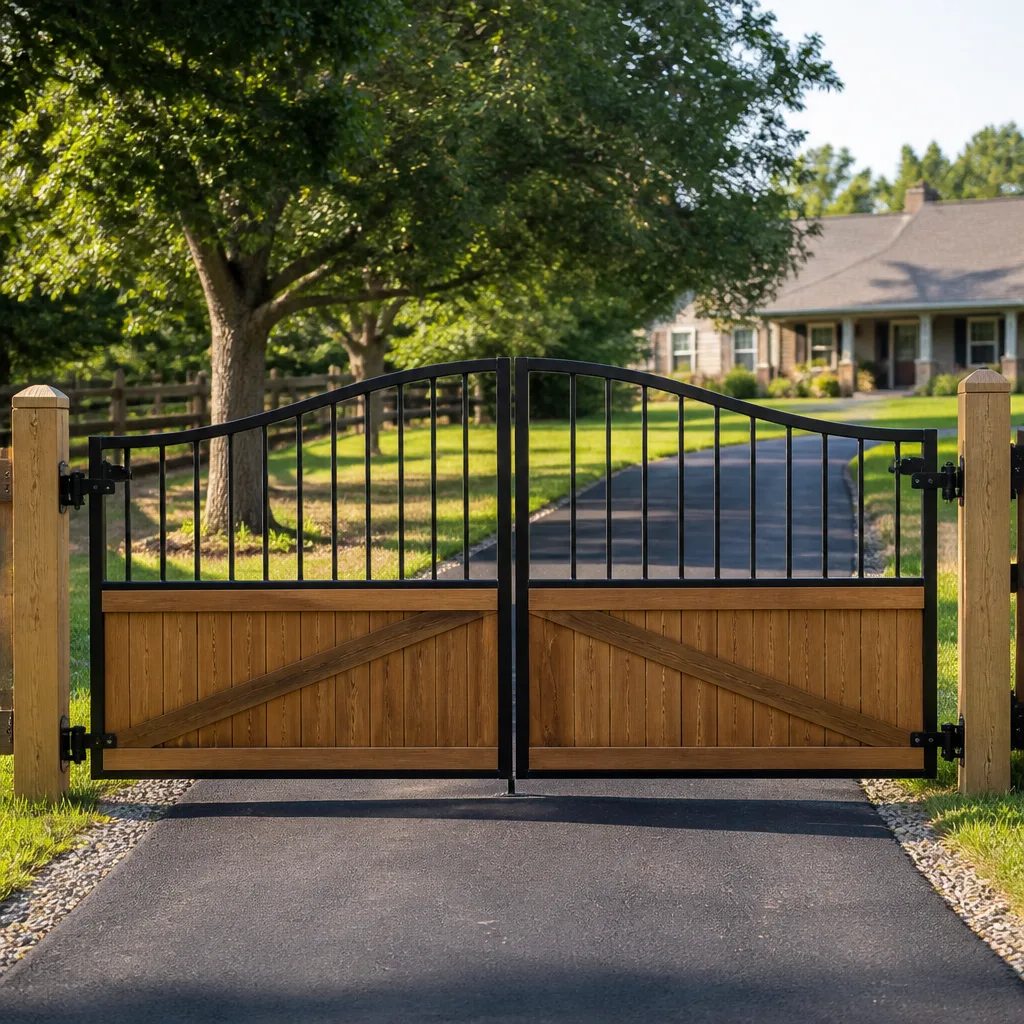
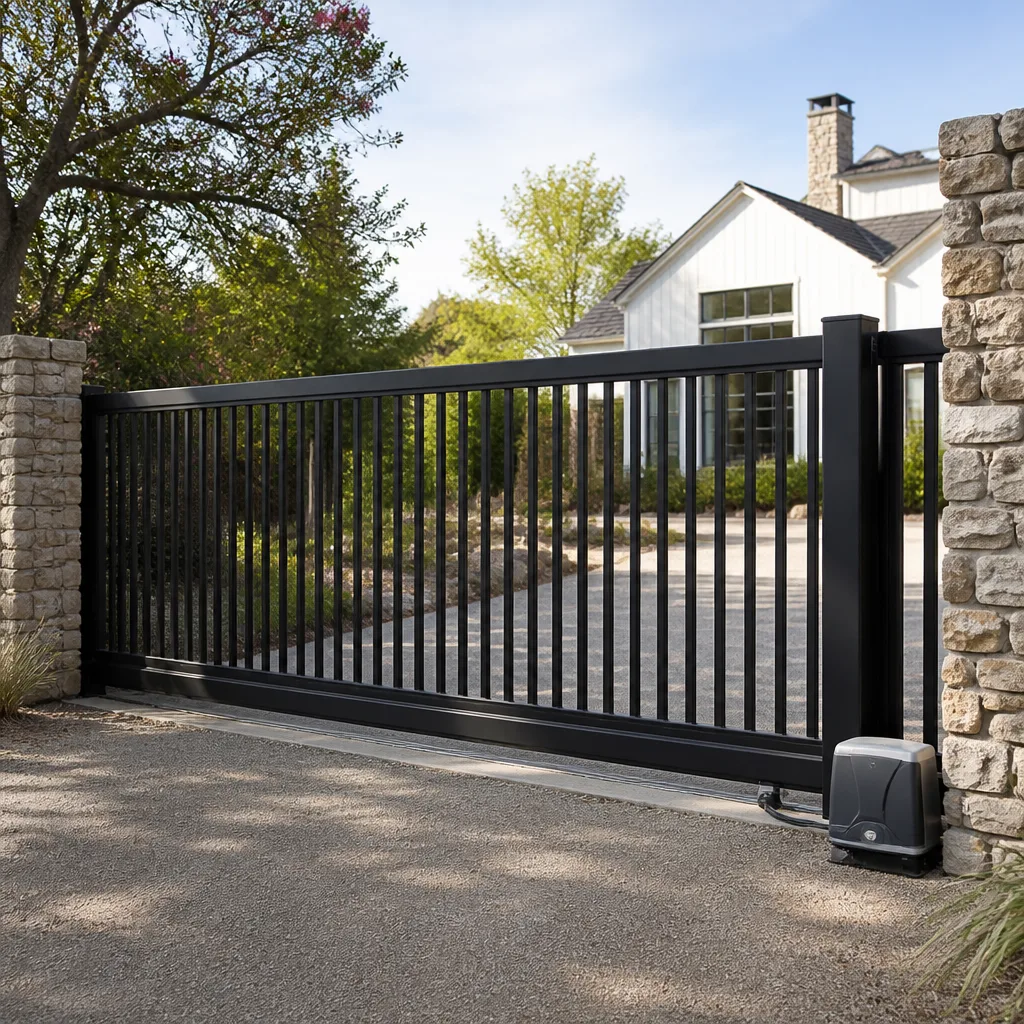
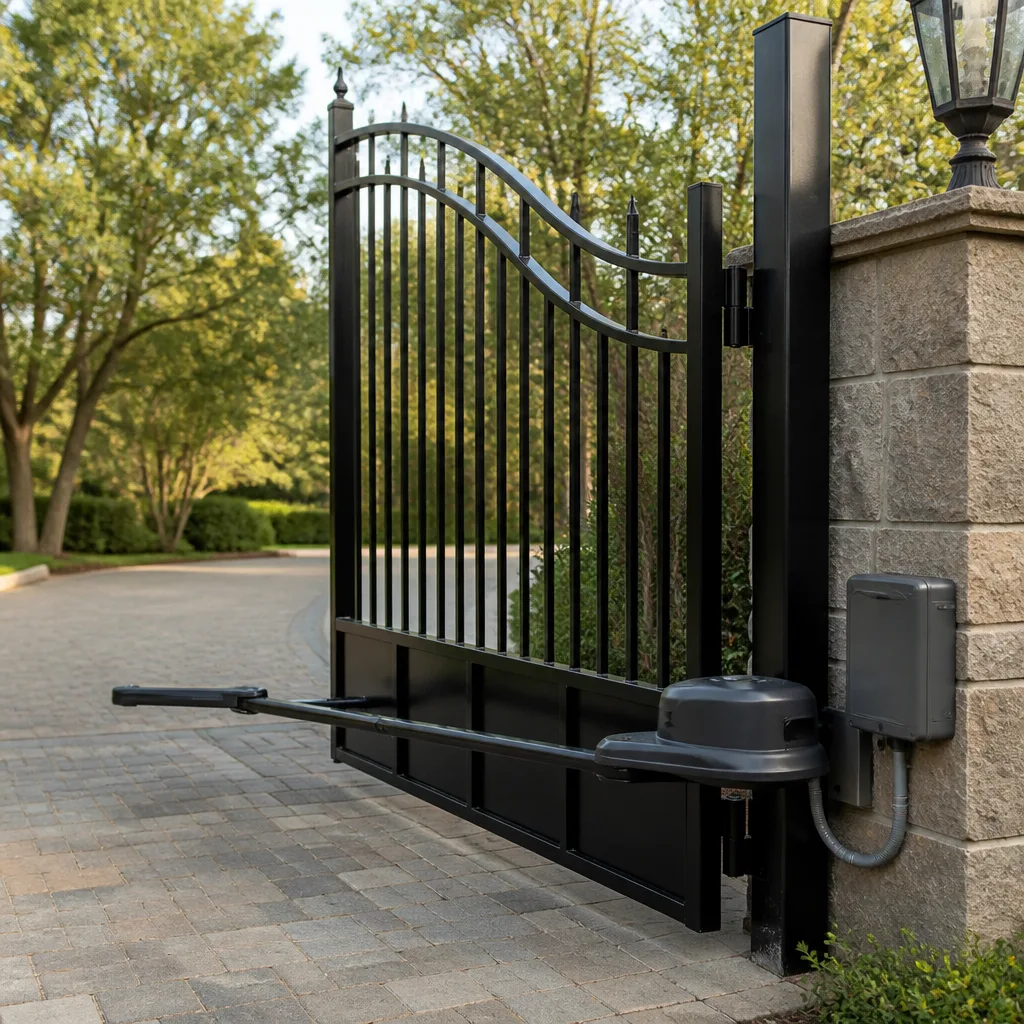
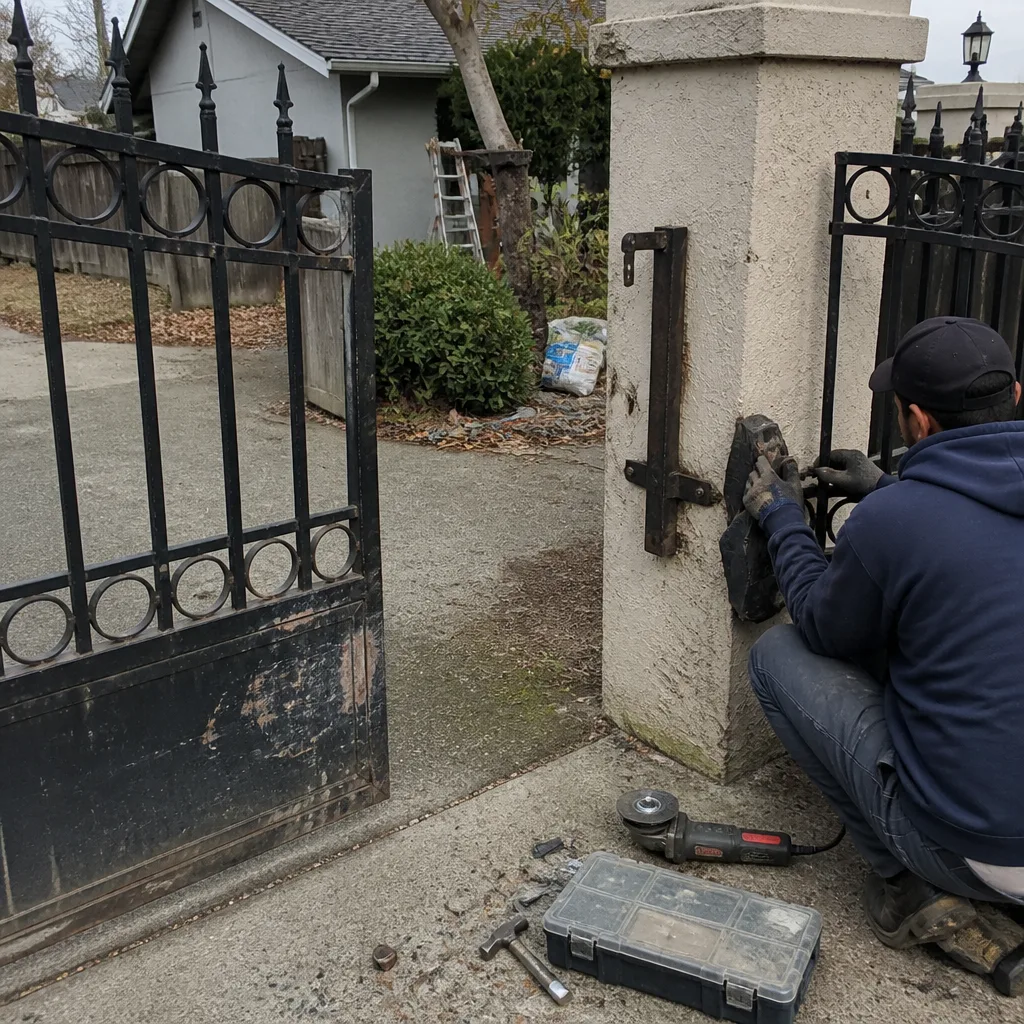 Before
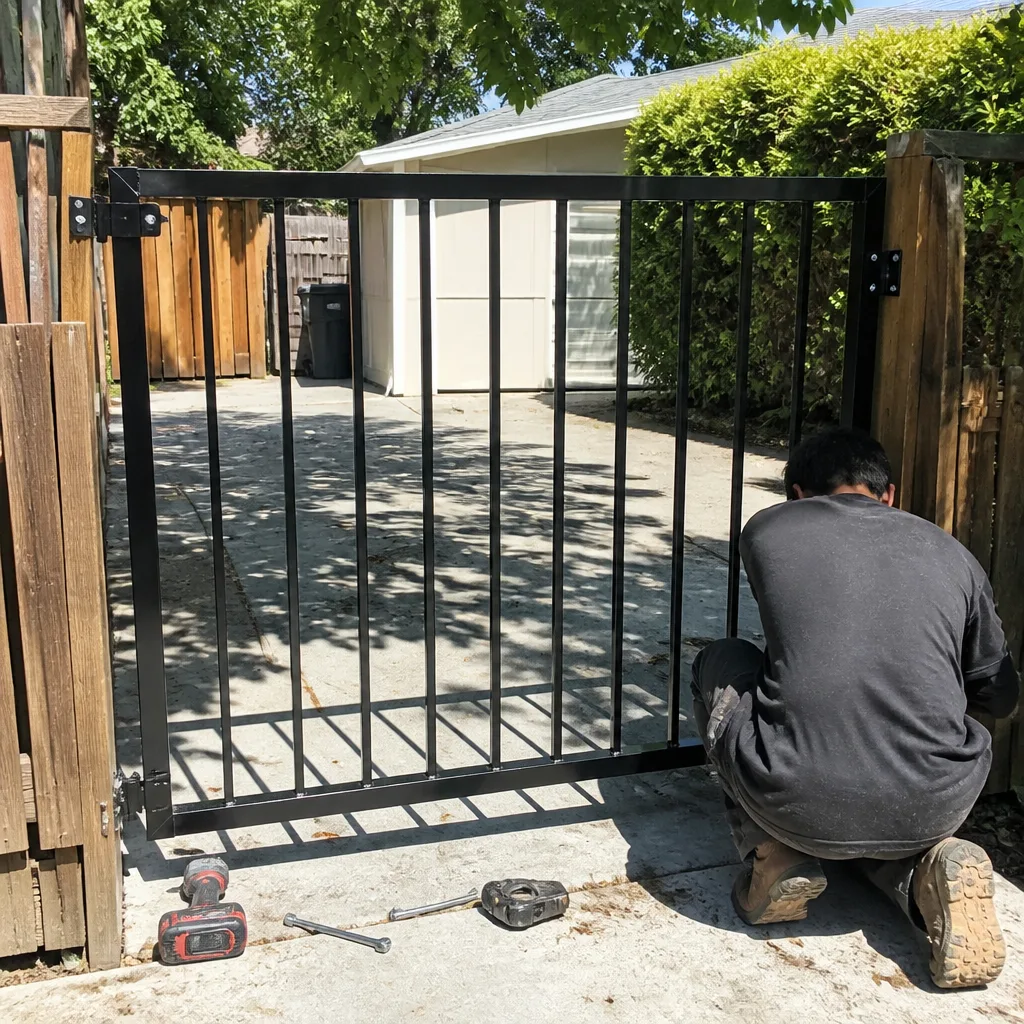 After
After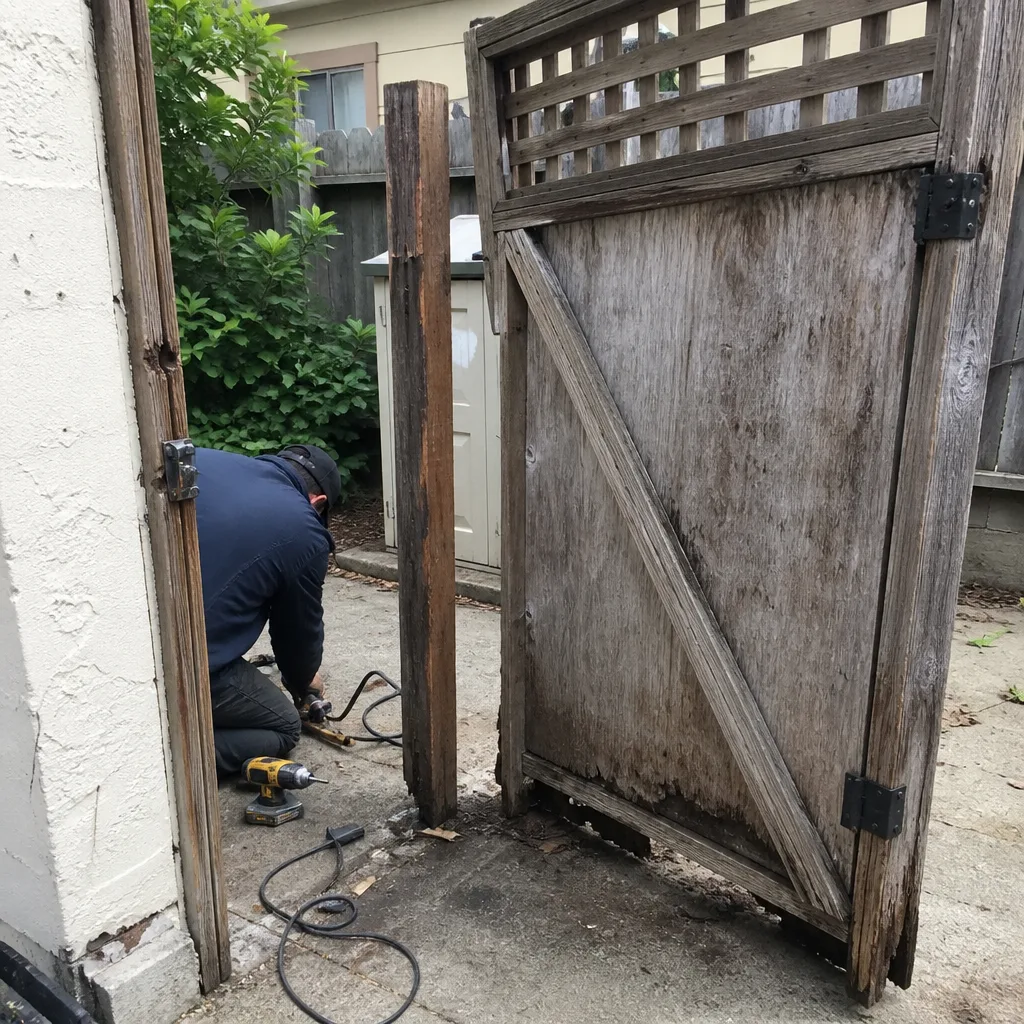 Before
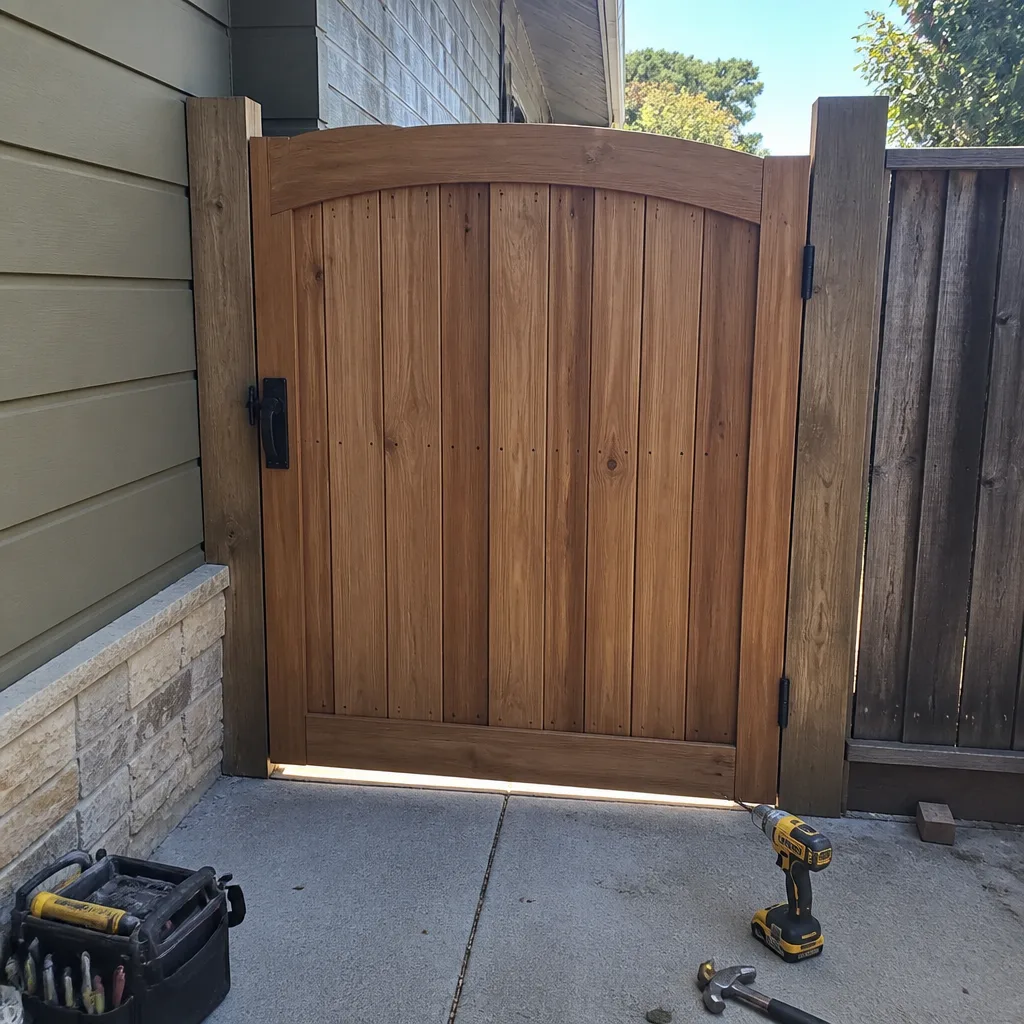 After
After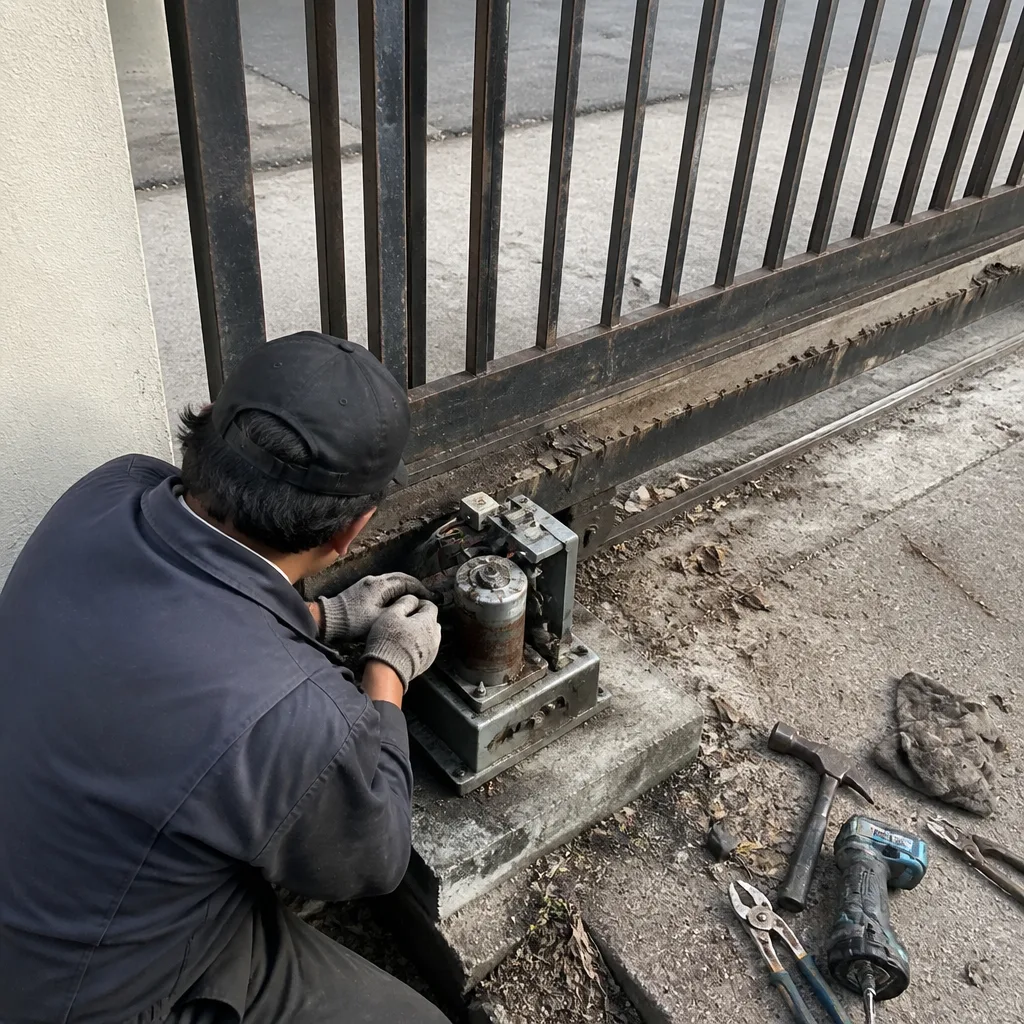 Before
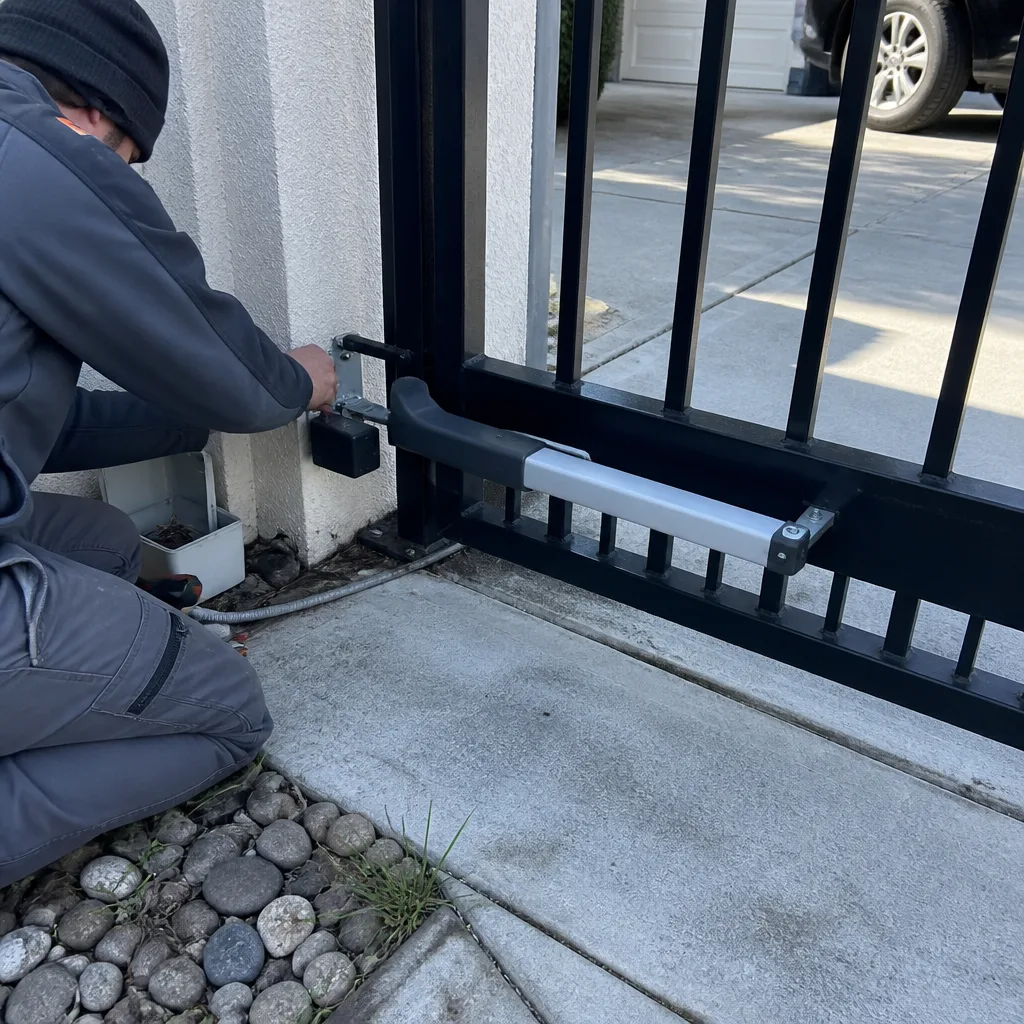 After
AfterThe Complete Guide to Gate Repair in Sunnyvale
Most repeat gate repair calls in the Bay Area trace back to a first technician who fixed the symptom and ignored the documented cause - no photo, no wiring note, no record of what the limit switch actually read. In Sunnyvale, where morning fog carries salt off the bay and the clay-sand soil shifts with every minor seismic event, that documentation gap is especially costly. We’ve seen the same hinge pin fail twice in fourteen months because the first repair didn’t account for the lateral load that Sunnyvale’s expanding-contracting soil puts on a swing gate post. This guide maps what actually fails on gates in this specific climate, how to read the failure signs before they become emergencies, and what a complete repair visit should leave behind so you never pay twice to rediscover the same problem.
Quick Answer
Gate repair in Sunnyvale typically addresses hinge wear from soil shift, motor mount fatigue from coastal humidity cycles, and photo-eye misalignment from ground settling. Most residential repairs range from $180 for hinge and roller service to $1,400-$2,800 for full motor replacement with post realignment, with same-day service available for safety-critical failures like a gate that won’t close or secure. A proper repair includes a written scope and price before work starts, plus photographic documentation of what was found and what was adjusted - without this record, the same failure often recurs within 18 months in Sunnyvale’s specific ground and climate conditions.
Table of Contents
- How Sunnyvale’s Microclimate Wears Gates Differently
- Reading Your Gate: A Failure-Mode Index
- Gate Type Repair Matrix: Swing, Slide, Bi-Fold, Vertical Pivot
- The Documentation Gap and Why It Costs You Twice
- What a Complete Repair Visit Should Produce
- Gate Repair Costs in Sunnyvale: A Line-Item Breakdown
- Working With Your Existing Motor: Nine Brands, One Standard
- A Maintenance Schedule That Matches Sunnyvale’s Conditions
 Before
 After
AfterHow Sunnyvale’s Microclimate Wears Gates Differently
Sunnyvale sits at the inland edge of the Santa Clara Valley’s marine influence, close enough to the bay for morning fog to roll through regularly but far enough for summer afternoons to dry hard. That combination creates wear patterns we don’t see in San Jose proper or up in the Oakland hills.
The fog carries enough salt to accelerate corrosion on uncoated steel hardware, particularly on north-facing gates that stay damp until midday. We’ve documented hinge pins on gate repair in Sunnyvale properties that showed measurable pitting after just three years - the same hardware in drier Livermore or Tracy often lasts eight to ten. The salt doesn’t announce itself with visible rust; it works at the microscopic level, enlarging clearances in bushing surfaces until the gate develops play that the motor wasn’t designed to absorb.
More significant is the soil. Sunnyvale’s ground is a mix of bay mud deposits and alluvial sand, with high plasticity clays in pockets near the historic orchards. When it dries, it shrinks and pulls fence posts off plumb. When winter rains return, it swells and pushes them back - rarely to the same position. A swing gate post that was perfectly vertical in October can lean two degrees by May, and that lean loads the hinge barrel in a direction the pin wasn’t machined to handle. The symptom is a gate that drags or binds; the cause is post movement that no amount of hinge grease will fix.
Seismic micro-movements add a third variable. The Calaveras Fault runs near enough for frequent 2.0-3.5 events to jolt gate hardware regularly. Slide gate tracks bolted to concrete pads often show stress cracks at the anchor points that inland properties simply don’t develop. We’ve replaced track anchors on Sunnyvale commercial gates where the original installer used standard wedge anchors instead of seismic-rated expansion bolts - a code-compliant choice at the time, but one that doesn’t hold up to repeated vibration.
For homeowners in neighborhoods like Birdland, Lakewood, or the streets near Columbia Park, this means repair priorities should always include checking post plumb and track anchoring before addressing the symptom - the dragging gate, the noisy motor, the intermittent photo-eye fault. Fix the symptom without addressing the ground movement, and the repair won’t hold through the next dry season.
Reading Your Gate: A Failure-Mode Index
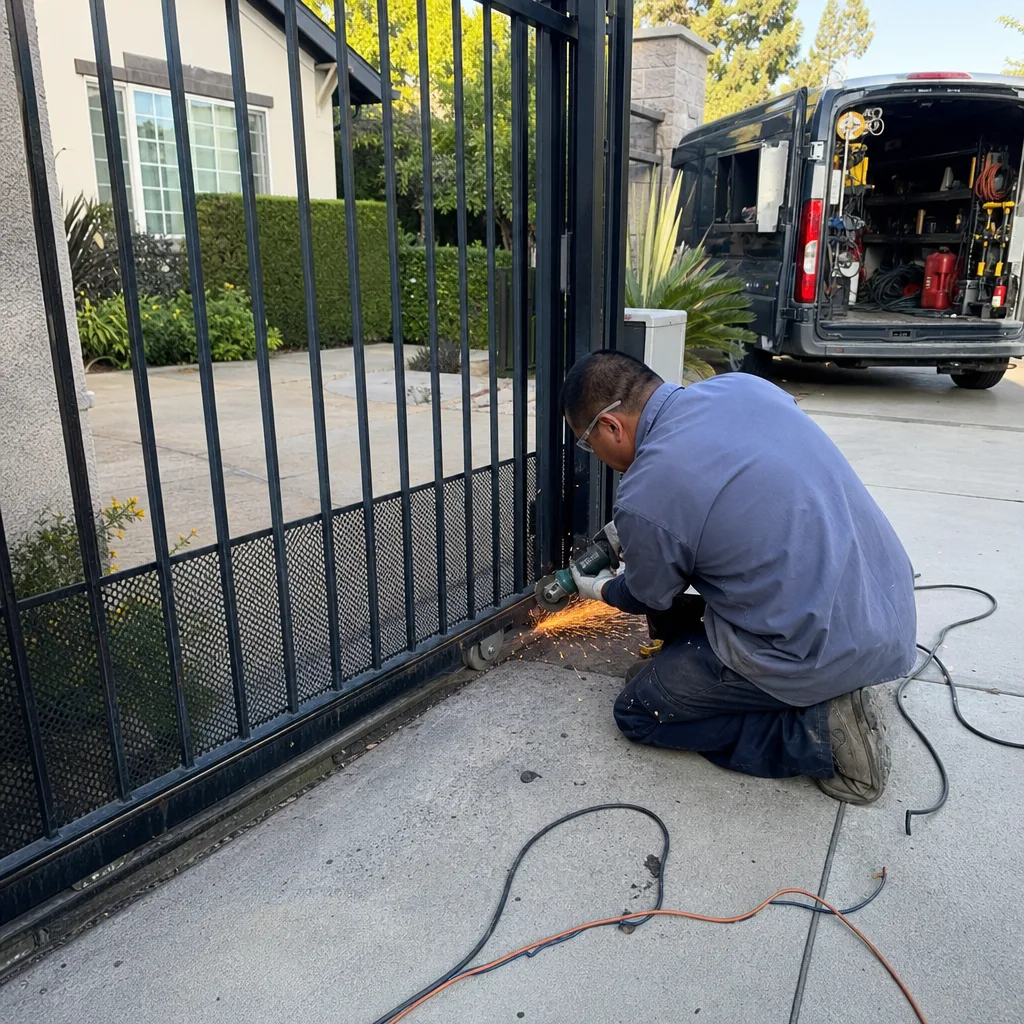
Gates communicate failure before they fail completely. The key is matching the behavior to the component, not just lubricating everything and hoping. Here’s what we’ve found on thousands of service calls since 2014.
The Slow Gate
A gate that takes noticeably longer to open or close than it did six months ago usually points to one of three causes:
- Motor capacitor degradation. The start capacitor provides the torque burst to overcome initial inertia. In Sunnyvale’s humidity cycles, capacitor electrolyte dries unevenly, reducing starting torque without stopping the motor entirely. The gate still moves, but it labors. A multimeter check shows reduced microfarad output; replacement is straightforward but requires matching the original spec exactly - wrong capacitance accelerates motor winding damage.
- Increased mechanical load. Hinge binding, track debris, or post lean all add friction. The motor compensates by running longer, not harder - variable-speed operators will show this as reduced RPM; single-speed units just extend cycle time. We measure this with an amperage draw test: a motor pulling 20% over nameplate current under normal load is working against mechanical resistance, not electrical fault.
- Control board ramp settings drifted. Some operators, particularly older FAAC and BFT units, use potentiometer-based speed control that can shift with vibration. The fix is recalibration, not replacement - but it requires documenting the original and new settings so the next technician knows what was changed.
The Reversing Gate
A gate that reaches a certain point and reverses direction is almost always protecting itself from perceived obstruction. The causes, in order of frequency:
- Photo-eye misalignment. The infrared beam that crosses the gate path is offset by ground settling, post shift, or vegetation growth. In Sunnyvale, the combination of clay soil expansion and the aggressive root systems of mature valley oaks makes this the most common cause we see. The photo-eye housing looks intact, but the beam misses the receiver by a quarter-inch.
- Limit switch overrun. The switches that tell the motor “stop, you’re at the end of travel” are set too close to mechanical hard stop. When the gate encounters normal load variation - a stiff hinge on a cold morning, a leaf caught in the track - it triggers the obstruction logic instead of completing travel. This is a setup issue, not a parts issue, but it requires knowing what the original limit readings were to diagnose whether they’ve drifted.
- Mechanical binding creating false load. A dragging gate reads as obstruction to the motor’s force-sensing circuit. The motor reverses to protect itself; the homeowner sees a “reversing” problem when it’s actually a “dragging” problem masked by safety logic.
The Gate That Stops Mid-Travel
Mid-travel stops indicate power or control interruption, not mechanical overload. Check in this order:
- Power supply voltage at the operator terminals during operation. We’ve found loose conduit connections in Sunnyvale’s older underground feeds - particularly in neighborhoods with original 1960s irrigation infrastructure - that drop voltage under load but read normal at rest.
- Control board thermal protection. Motors running near overload trip thermal cutouts; the gate stops, cools, and works again until the next thermal cycle. This pattern - works, stops, works after delay - is diagnostic.
- Intermittent limit switch contact. Worn switches make, break, and remake as vibration continues, causing the control board to receive conflicting position signals.
The Gate That Won’t Close
This is the security-critical failure. Beyond the causes above, check:
- Loop detector fault. In-ground induction loops that sense vehicle presence can fail with cracked pavement or wire corrosion from irrigation runoff. Sunnyvale’s hard-water mineral content accelerates this at splice points.
- Manual release not re-engaged. After any power outage or manual operation, the disengagement lever must be positively reset. It’s a simple check that prevents an unnecessary service call.
- Board-level safety circuit fault. If the control board believes a safety device is active - even when it’s not - it won’t permit close operation. This requires systematic isolation testing of each safety input.
Gate Type Repair Matrix: Swing, Slide, Bi-Fold, Vertical Pivot
Each gate architecture fails in predictable sequences when you know what to look for. Here’s how repair priorities differ by type in Sunnyvale conditions.
Swing Gates
The most common residential type in Sunnyvale’s established neighborhoods - Lakewood, Ponderosa, the areas off Mathilda and Sunnyvale-Saratoga. The failure sequence typically runs:
- Hinge pin and bushing wear from post movement (years 3-7)
- Actuator arm bracket fatigue at the gate frame connection (years 5-10)
- Post lean requiring excavation and re-pour, or conversion to adjustable post base
Swing gates are the most sensitive to soil shift. A single post leaning 1.5 degrees creates a compound load on the actuator that the manufacturer didn’t design for - the arm pushes at an angle, loading the internal thrust bearing unevenly. We’ve replaced Linear and LiftMaster actuators that failed mechanically not because the motor was defective, but because years of angular load destroyed the gearbox. The proper repair includes post realignment or an adjustable base; replacing the actuator without addressing the geometry guarantees recurrence.
For heavy wood or ornamental iron gates, check the jamb post first. In Sunnyvale’s clay soils, the jamb (the fixed post the gate closes against) often settles independently of the hinge post, creating a latch misalignment that owners address by adjusting the latch - when the real problem is post height. Shimming the latch works for months, then the post moves again and the gate won’t latch at all.
Slide Gates
Common on corner lots and commercial properties along El Camino Real and Lawrence Expressway. The critical components:
- Track and rollers: V-groove rollers wear flat spots if the track isn’t level; the gate then bumps at the flat spot every cycle, transmitting shock to the motor. In Sunnyvale, track settlement from soil shrinkage is the root cause in about 60% of roller failures we see.
- Chain or rack drive: Chain stretch is measurable; replace at 3% elongation. Rack drive nylon gears strip if the gate binds - they’re designed as the sacrificial element, but too many technicians replace the gear without finding why it stripped.
- Guide rollers: The top and bottom guides that keep the gate vertical. These are wear items, but uneven wear indicates track twist or post lean.
Slide gates tolerate post movement better than swing gates - the track defines the path - but they’re unforgiving of track deformation. A 3/16-inch vertical discontinuity in the track creates a rhythmic impact that destroys rollers and motor mounts. The repair must include track leveling, not just component replacement.
Bi-Fold Gates
Rare in residential Sunnyvale but found at some townhome complexes and commercial entries. The center hinge and the synchronization mechanism between leaves are the critical points. When the center hinge wears, the leaves no longer fold symmetrically; the drive mechanism fights itself. These repairs require documenting the original fold geometry - hinge pin angles, leaf overlap dimension - because there’s no “standard” position to return to without measurement.
Vertical Pivot Gates
Most common at parking structures and some commercial sites near the Caltrain corridor. The pivot bearing carries the entire gate weight; in Sunnyvale’s salt-fog environment, we’ve seen bearing corrosion cause the gate to drop slightly, binding against the support structure. The symptom is a motor that runs but the gate moves erratically - the motor is fine, the mechanical load has changed. These repairs require a crane or forklift for gate removal, so they’re never same-day; the proper documentation includes bearing spec, gate weight, and the crane point location for next time.
The Documentation Gap and Why It Costs You Twice
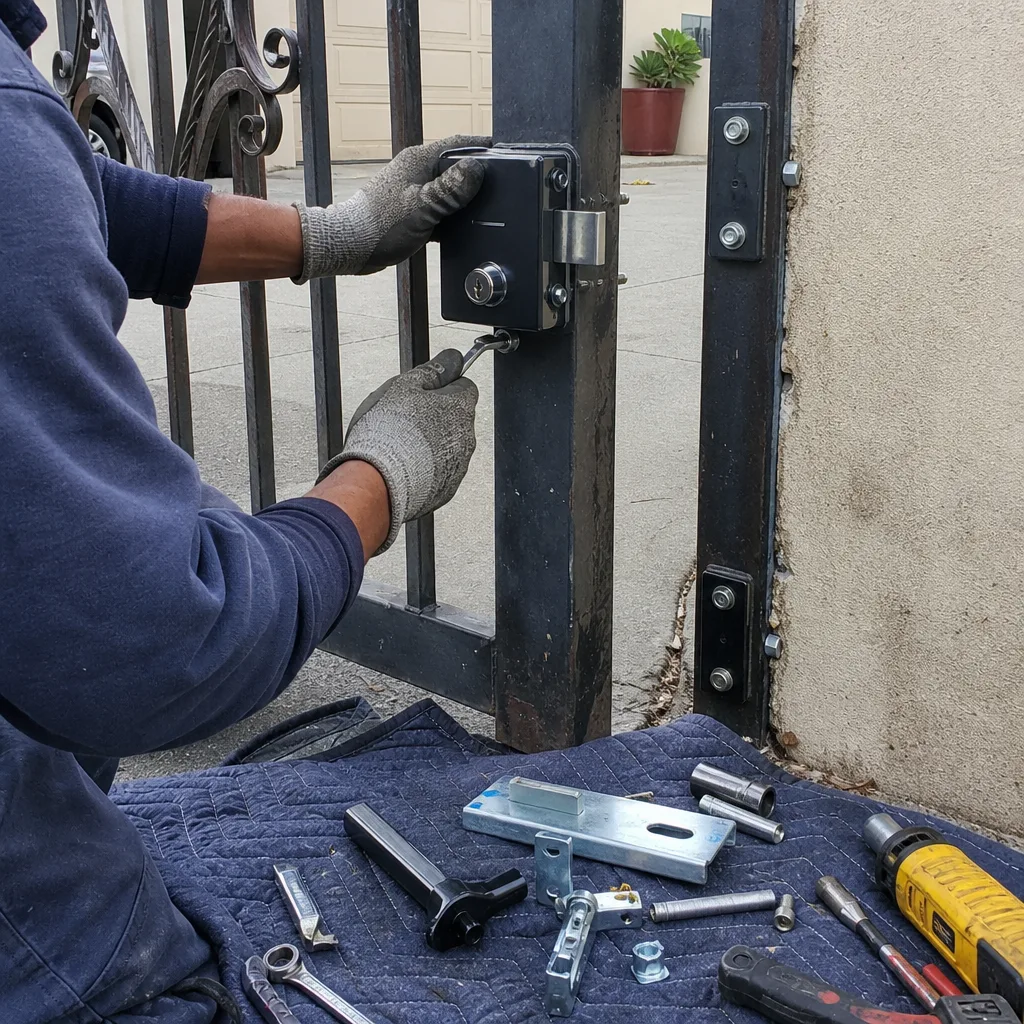
Here’s a pattern we’ve documented across our service history: a homeowner in Sunnyvale calls for a gate that “started having problems again” six to eighteen months after a previous repair. We arrive, diagnose the failure, and find it’s the same component - or the same root cause - that the previous technician addressed with a parts swap and no record.
The previous invoice says “replaced motor.” Nothing about post plumb. Nothing about hinge condition. No photo of the installation. When that motor fails again because the post was still leaning, the homeowner pays for a second motor plus the post work that should have happened the first time.
This is the documentation gap. Most local gate companies operate on a verbal estimate, a repair, and a one-line invoice. The technician remembers what they did; the company might not. The homeowner certainly doesn’t have the technical details. When the next technician arrives - whether from the same company or a different one - they start from zero, rediscovering the same conditions, often replacing the same parts.
Under Vance Gate Repair Sunnyvale home operations, we work under The Haven Standard, which requires three things on every visit:
- Written scope and price before work starts. Clause 1: Have it in writing. You see exactly what we’ll do and exactly what it costs before anyone picks up a tool. No “call for a quote,” no range that widens when the technician arrives.
- Photographic record of findings and work. Clause 4: Evidence on every job. Before we leave, you receive photos of what we found - the corroded hinge, the leaning post, the capacitor reading - and photos of what we set or installed - the new limit switch position, the realigned photo-eye, the torque setting on the arm bracket.
- Technical documentation for the next technician. Wiring diagrams marked with what we found, control settings recorded, part numbers listed. If you call us back in three years, we pull the file and know exactly what was done. If you call someone else, you hand them documentation that saves diagnostic time and prevents redundant work.
The cost of this documentation is built into our pricing; we don’t charge extra for it. The cost of not having it - paying twice for the same repair, or replacing a motor that failed because of an unaddressed post lean - is what we’re trying to eliminate.
We also offer a free second opinion on any written estimate from another company. Bring the paperwork. We’ll review the scope, the specs, and the pricing against what we’ve documented on similar jobs in Sunnyvale. No charge, no obligation.
What a Complete Repair Visit Should Produce
Whether you hire Vance Gate Repair in Sunnyvale or another company, here’s what a proper residential gate repair should leave behind. Use this as a checklist when you’re evaluating service.
Before Work Starts
- Written scope describing what will be done, what parts will be used, and what the total price will be - not an estimate, a fixed price
- Explanation of any alternatives (repair vs. replace, OEM vs. compatible part) with price for each
- Estimated time to complete
During the Work
- Photos of the failed or failing components before removal
- Photos of any underlying conditions discovered (post lean, track deformation, wiring damage)
- Record of diagnostic readings: voltage, amperage draw, limit switch position, photo-eye alignment measurement
After the Work
- Photos of installed components with part numbers visible
- Photos of adjusted settings - limit switch position, force setting, photo-eye alignment
- Written record of control board settings or dip switch positions
- Wiring diagram marked with any changes from original
- Invoice matching the pre-work written price exactly
Anything less than this, and you’re relying on memory - yours and the technician’s - to prevent the same failure from recurring. In Sunnyvale’s soil and climate conditions, that’s not sufficient.
Our 365-Day Done Right Promise covers all completed work: if anything we repaired isn’t right, we make it right at no additional charge within one full year. No argument, no fee, no expiration date anxiety. The promise is enforceable because the documentation exists to prove what was done.
Gate Repair Costs in Sunnyvale: A Line-Item Breakdown
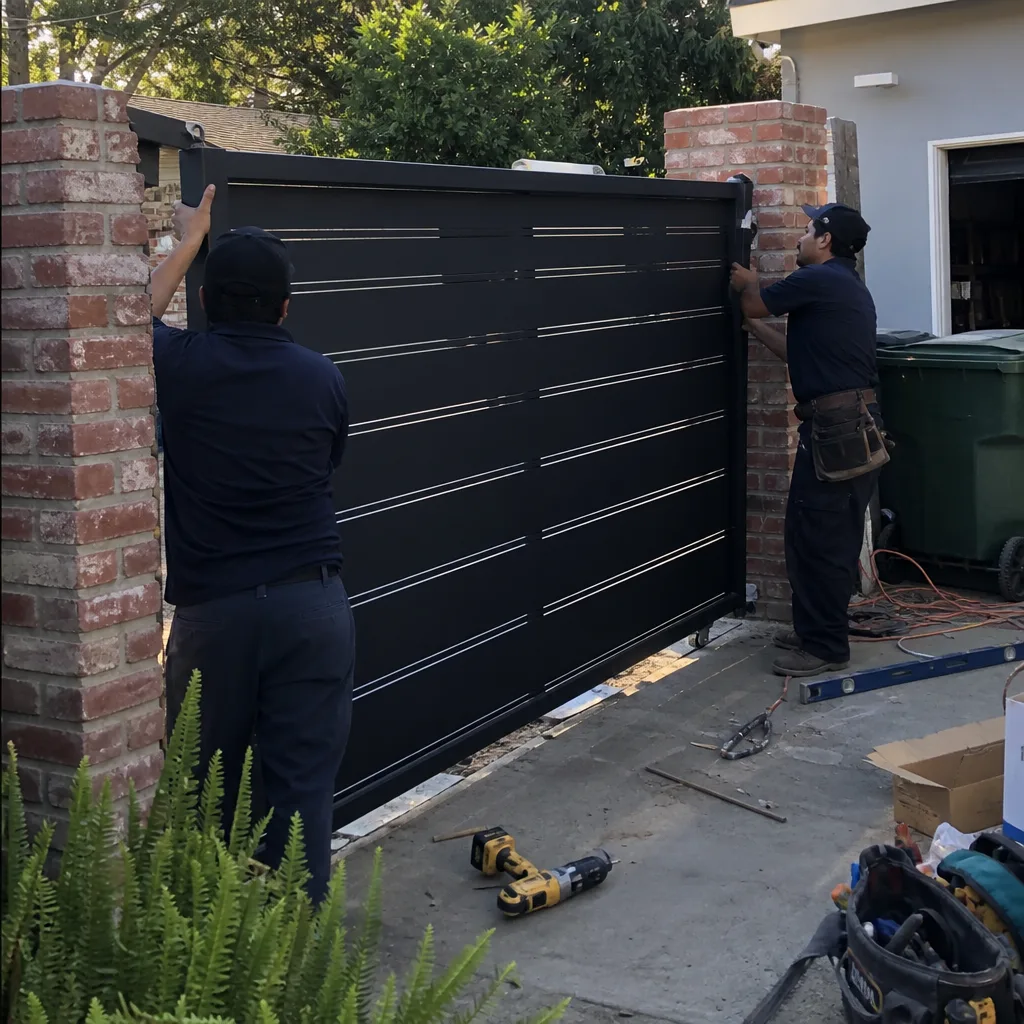
Prices vary by gate type, access conditions, and component brand, but these are the ranges we quote and honor in writing before work starts on gate installation in Sunnyvale and repair jobs. All prices include labor; parts are specified by brand and model number on the written scope.
| Service | Typical Range | What Affects Price |
|---|---|---|
| Hinge pin and bushing replacement (swing gate) | $180-$340 | Gate weight, whether post requires adjustment |
| Photo-eye realignment or replacement | $140-$280 | Wired vs. wireless, single vs. dual beam |
| Limit switch adjustment or replacement | $160-$320 | Mechanical vs. magnetic switch, access difficulty |
| Control board repair or replacement | $380-$720 | Brand availability, whether programming is proprietary |
| Actuator arm replacement (swing gate) | $680-$1,400 | Brand, gate weight class, bracket condition |
| Slide gate roller and track service | $340-$680 | Number of rollers, track length, whether track requires leveling |
| Slide gate operator replacement | $1,400-$2,800 | Motor size, brand, accessory integration (loop detector, intercom) |
| Swing gate operator replacement | $1,200-$2,400 | Single vs. dual operator, post work required |
| Post excavation and re-pour (swing gate) | $800-$1,600 | Depth, concrete volume, access for equipment |
| Access control keypad or card reader replacement | $280-$560 | Standalone vs. networked, brand compatibility |
These ranges reflect Sunnyvale’s market conditions - labor rates, permit requirements, and the specific brands we stock for common local installations. The price you receive in writing before work starts is the price on the invoice. If we discover additional conditions during the repair, we stop, document with photos, and present a revised scope and price before continuing. Clause 1 doesn’t permit surprises.
For gate motor and opener service in Sunnyvale, replacement is not always necessary. We service nine major automation brands - including LiftMaster, FAAC, BFT, and Linear - and about 40% of the motors we’re called to “replace” are actually repairable with capacitor, gear, or control board service at one-third to one-half the replacement cost. The written scope will present both options when both exist.
Working With Your Existing Motor: Nine Brands, One Standard
A significant portion of our repair work involves motors and operators we didn’t install. Homeowners often assume that a gate company will push replacement of an unfamiliar brand, or that proprietary parts make older units unrepairable. Neither is necessarily true.
We maintain technical documentation and common parts inventory for nine automation brands: LiftMaster, FAAC, BFT, Linear, Viking, Ghost Controls, DoorKing, Elite, and Mighty Mule. This means we can service whatever motor is already on your property rather than steering you toward a replacement that matches our preferred supplier.
The practical difference: when we arrive at a Sunnyvale home with a fifteen-year-old FAAC 740 operator, we don’t need to research whether parts are still available. We know the common failure modes for that specific model - the thermal switch location, the gear reduction spec, the control board capacitor values. We can test, diagnose, and quote repair vs. replacement with confidence. If repair is viable and economical, we present that option under Clause 1 with a written price for each path.
For newer installations, brand choice matters for long-term serviceability. LiftMaster and Linear have the broadest dealer network in the Bay Area; FAAC and BFT offer specific advantages for high-cycle commercial applications. We don’t represent any manufacturer exclusively, so our recommendation is based on your gate’s specifications and your service history, not on supplier incentives.
When we do replace an operator, the documentation includes the full model number, serial number, date code, and programming settings. The next technician - us or anyone else - starts informed.
A Maintenance Schedule That Matches Sunnyvale’s Conditions
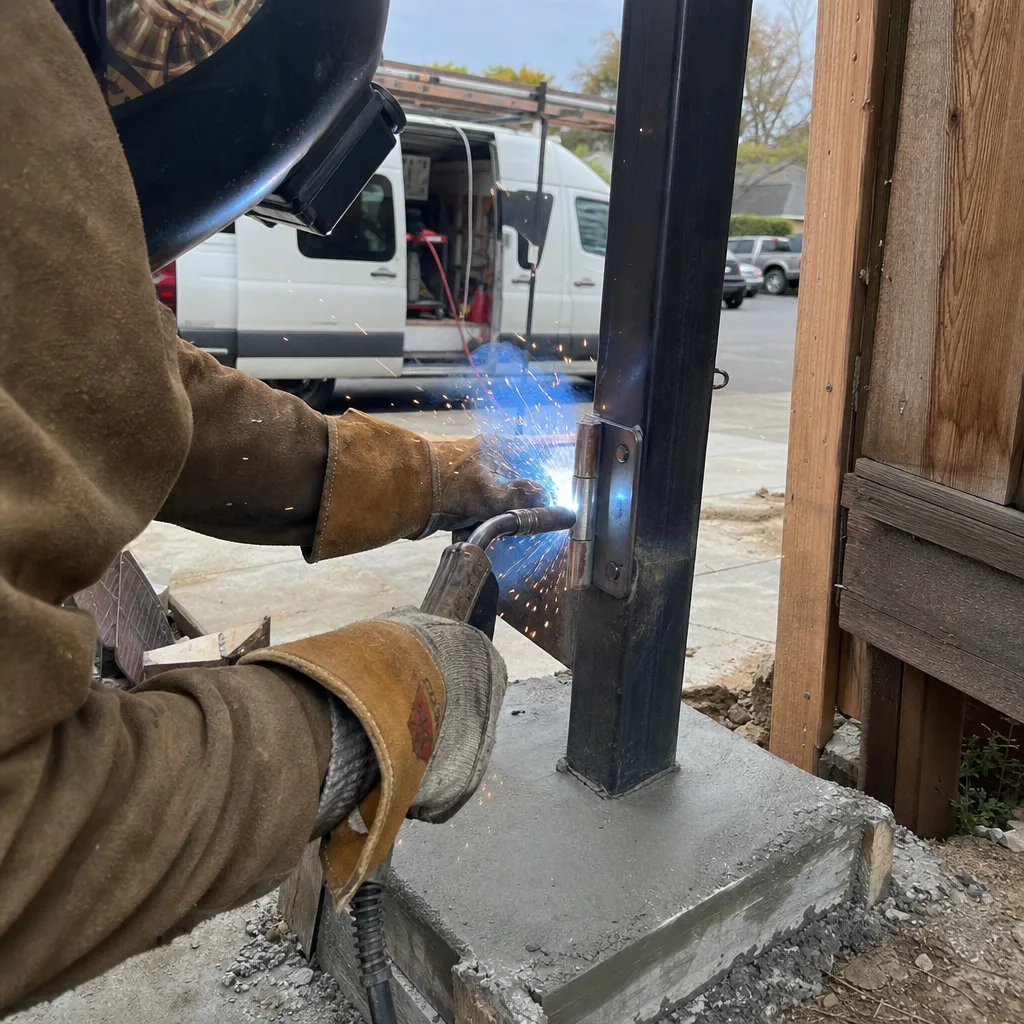
Preventive maintenance reduces repair frequency, but only if it addresses the actual local wear modes. Here’s the schedule we recommend for Sunnyvale properties, adjusted for coastal humidity and seismic soil conditions.
Quarterly (Homeowner)
- Visual inspection of hinges, rollers, and track for visible wear or debris
- Photo-eye lens cleaning - salt fog leaves a film that reduces beam strength
- Manual operation test: disconnect power, operate by hand, note any binding or uneven resistance
- Check for vegetation growth near photo-eye path or gate travel
Semi-Annually (Professional)
- Amperage draw test under normal load - establishes baseline for motor health
- Hinge pin and bushing clearance measurement - catch wear before post damage occurs
- Photo-eye alignment verification with measurement, not just “it looks right”
- Limit switch position confirmation against mechanical stops
- Control board setting documentation - record current values for comparison at next visit
Annually (Professional)
- Full mechanical inspection: post plumb, track level, actuator arm angle, gate balance
- Electrical inspection: conduit integrity, ground continuity, voltage at operator under load
- Access control testing: all inputs, safety devices, and release mechanisms
- Photo documentation update: current condition of all components for year-over-year comparison
For properties in Sunnyvale’s older neighborhoods - the original ranch tracts near Washington Park, the Eichler-influenced areas with their characteristic low fencing - the semi-annual professional visit is particularly valuable. These gates often have original posts set in concrete that wasn’t mixed to modern standards, and the combination of age, soil chemistry, and seismic vibration creates failure modes that quarterly visual inspection won’t catch.
We offer maintenance agreements that include the semi-annual and annual services above, with priority scheduling and the same written documentation standards as our repair work. The cost is typically less than a single emergency repair call.
Common Mistakes to Avoid
- Accepting a verbal estimate. In California, home improvement contracts over $500 must be in writing. More practically, a verbal estimate leaves no record of what was promised, what was excluded, and what the price was based on. Under The Haven Standard, we don’t start work without a written scope.
- Ignoring post movement. A gate that “just needs lubrication” twice a year is telling you something else is wrong. In Sunnyvale’s clay soils, repeated lubrication calls without post inspection almost always mean the post is moving and the hinge is being destroyed by angular load.
- Replacing the motor without checking mechanical load. A motor that fails prematurely is often a symptom, not the disease. We test amperage draw and mechanical resistance before quoting motor replacement; about one in four “motor failures” we diagnose are actually mechanical overload that will destroy the new motor too.
- Using non-gate-specific technicians for automation work. General handyman services may handle the mechanical gate repair competently, but gate operators involve specific safety circuits, force settings, and entrapment protection that require manufacturer training. Incorrect force settings can crush; incorrect safety circuit bypass can liability-expose.
- Neglecting photo-eye maintenance. The infrared beam is invisible; you can’t tell by looking whether it’s aligned or whether the lenses are clean enough. In Sunnyvale’s fog environment, quarterly cleaning and semi-annual alignment verification prevent the “gate won’t close” emergency call.
- Not documenting what was done. Even if you don’t hire us, insist on photos and written settings from any technician. The $50 you might “save” by choosing a company that doesn’t document will cost multiples when the same failure recurs and no one knows what was originally installed or how it was adjusted.
When to Call a Professional
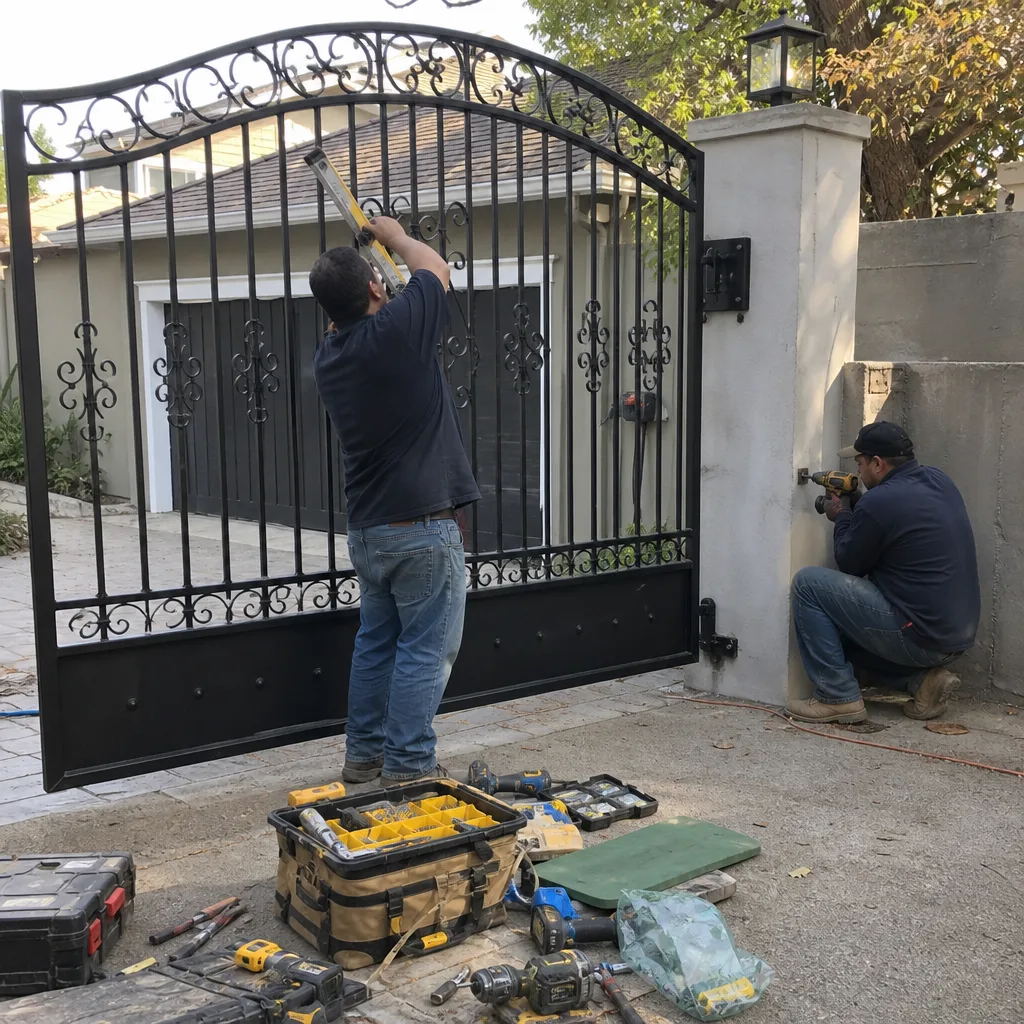
Some gate issues are genuinely DIY-appropriate: clearing debris from a track, resetting a tripped breaker, re-engaging a manual release lever. Others require professional service for safety, code compliance, or technical complexity.
Call a professional when: the gate won’t close and security is compromised; the motor hums but the gate doesn’t move (potential gearbox or mechanical binding issue); there’s visible damage to wiring or conduit; the gate reverses unpredictably (entrapment hazard); any repair involves the high-tension spring or counterbalance system on a vertical pivot or overhead gate; or you need to adjust force settings or safety circuit parameters on any automated operator.
For Sunnyvale homeowners, Vance Gate Repair Sunnyvale offers free estimates with written scope and pricing before any work begins. A live person answers calls 24 hours a day, seven days a week - no voicemail, no callback queue. For safety-critical failures or gates that won’t secure your property, same-day service is available. Call (669) 900-1904.
Frequently Asked Questions
Most residential gate repairs in Sunnyvale range from $180 for hinge and roller service to $680 for control board work, with full operator replacement typically between $1,200 and $2,800 depending on brand and gate size. We provide a written, fixed price before any work starts - no range that widens, no surprise invoice. Call (669) 900-1904 for a free estimate with exact pricing for your specific gate and problem.
About 40% of gate motors we’re called to replace are actually repairable with capacitor, gear, or control board service at significantly lower cost. We test amperage draw, mechanical load, and control function before recommending replacement; when repair is viable, we present both options in writing with prices for each. Our nine-brand capability - including LiftMaster, FAAC, BFT, and Linear - means we can service what you have rather than steering you toward a new unit.
Recurring failures usually trace to one of three causes: the original repair addressed a symptom without fixing the root cause (post lean, track deformation, electrical supply issue); the repair used incompatible or underspecified parts; or there’s no documentation of what was done, so subsequent technicians rediscover rather than build on previous work. The Haven Standard’s photo documentation and written settings prevent this by creating a record that informs every future service visit.
For safety-critical failures - gates that won’t close and compromise security, or automated operators with entrapment hazards - we offer same-day dispatch in Sunnyvale. A live person answers our phone 24/7; no voicemail, no callback queue. For non-emergency repairs, we schedule within 24-48 hours and provide a specific appointment window with technician name and photo before arrival.
If any repair we complete isn’t right - the gate doesn’t operate as specified, the same component fails, or an adjustment we made proves incorrect - we return and make it right at no additional charge within one full year. No argument, no fee, no expiration anxiety. The promise is enforceable because every job includes photographic documentation of what was found and what was done; there’s no dispute about whether the work was performed correctly.
Sunnyvale’s combination of marine fog, clay-sand soil, and seismic micro-movement creates three distinct wear patterns: salt-fog corrosion on uncoated steel hardware (accelerated on north-facing gates), soil shrink-swell that leans posts and misaligns tracks, and vibration stress on concrete anchors and track mounts. Maintenance schedules designed for drier inland climates or stable geologies don’t address these local conditions; our semi-annual and annual services specifically test for post plumb, track level, and hardware corrosion before they cause failure.
The Bottom Line
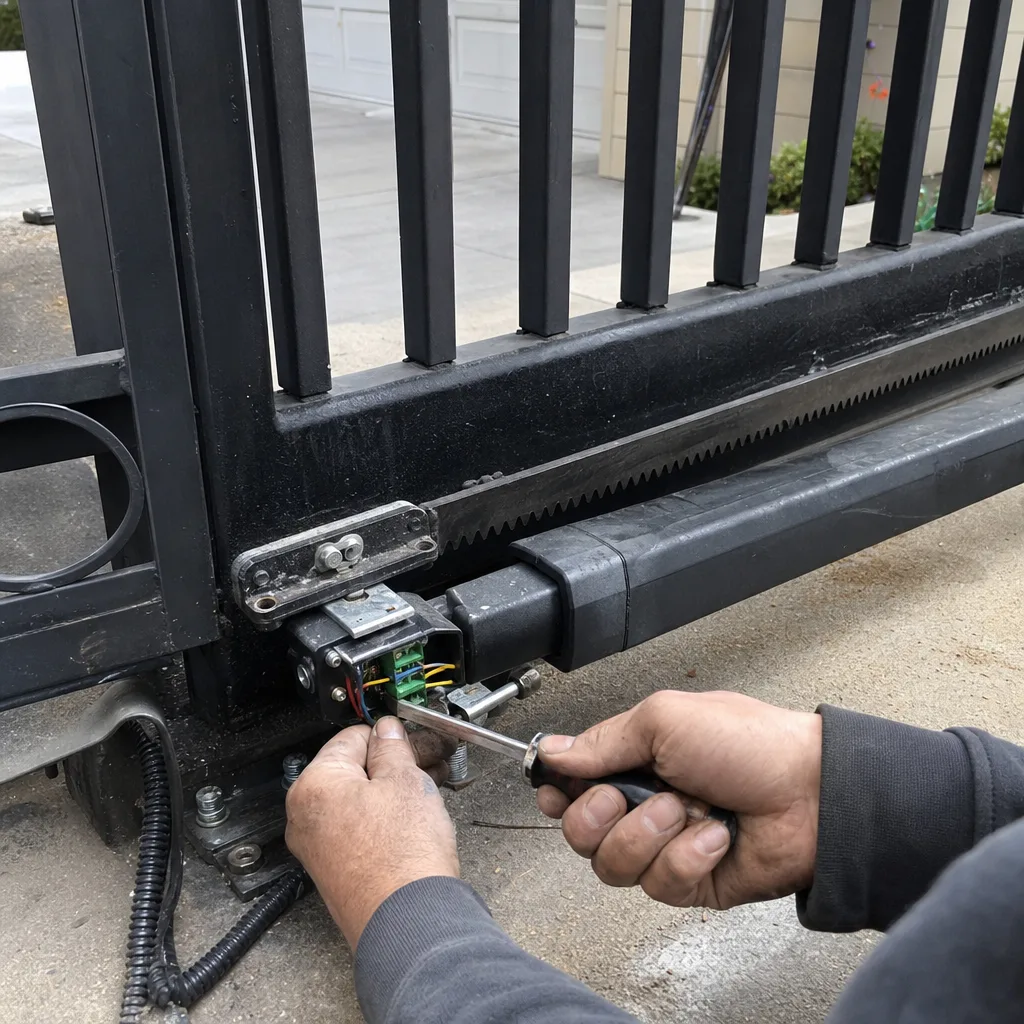
Gate repair in Sunnyvale is not generic mechanical work. The local climate, soil, and seismic conditions create specific failure modes that recur predictably - and that can be prevented with maintenance calibrated to this environment. The difference between a repair that holds and one that repeats within months usually comes down to whether the technician documented the root cause, addressed it, and left a record for the next person who works on the gate.
At Vance Gate Repair Sunnyvale, every repair operates under The Haven Standard: written price before work starts, photographic documentation of findings and adjustments, and the 365-Day Done Right Promise. We’ve applied this standard to over 22,000 gates since 2014, across nine automation brands and every gate architecture common in the Bay Area. The result is repair that doesn’t need to be redone - because the cause was fixed, not just the symptom, and the next technician starts informed.
For a free estimate with written scope and pricing, call (669) 900-1904. A live person answers 24 hours a day.
Written by Adrian Vance, Owner at Vance Gate Repair Sunnyvale, serving Sunnyvale since 2014.