
Free on-site gate assessment - hinges, posts, and your LiftMaster or Nice gate operator checked before anything is quoted
The assessment is free and the quote is the invoice.
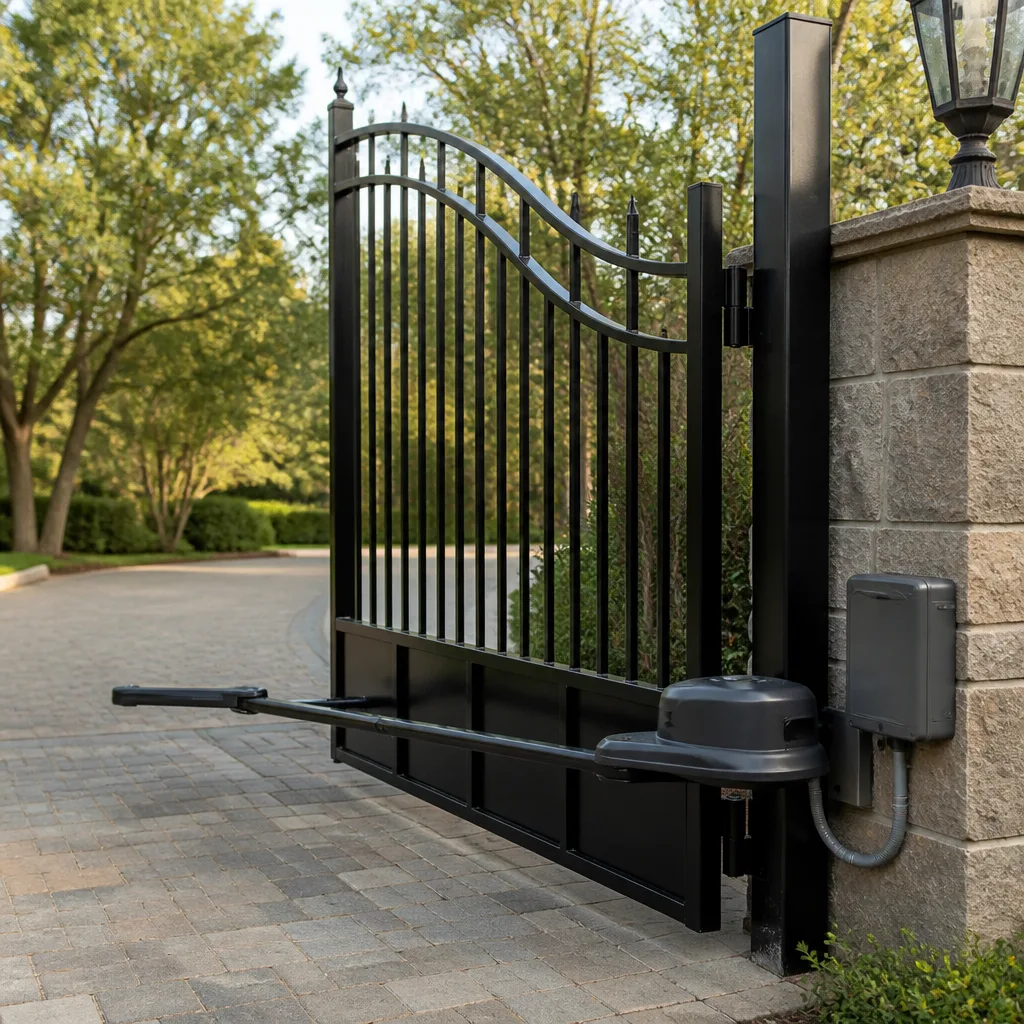
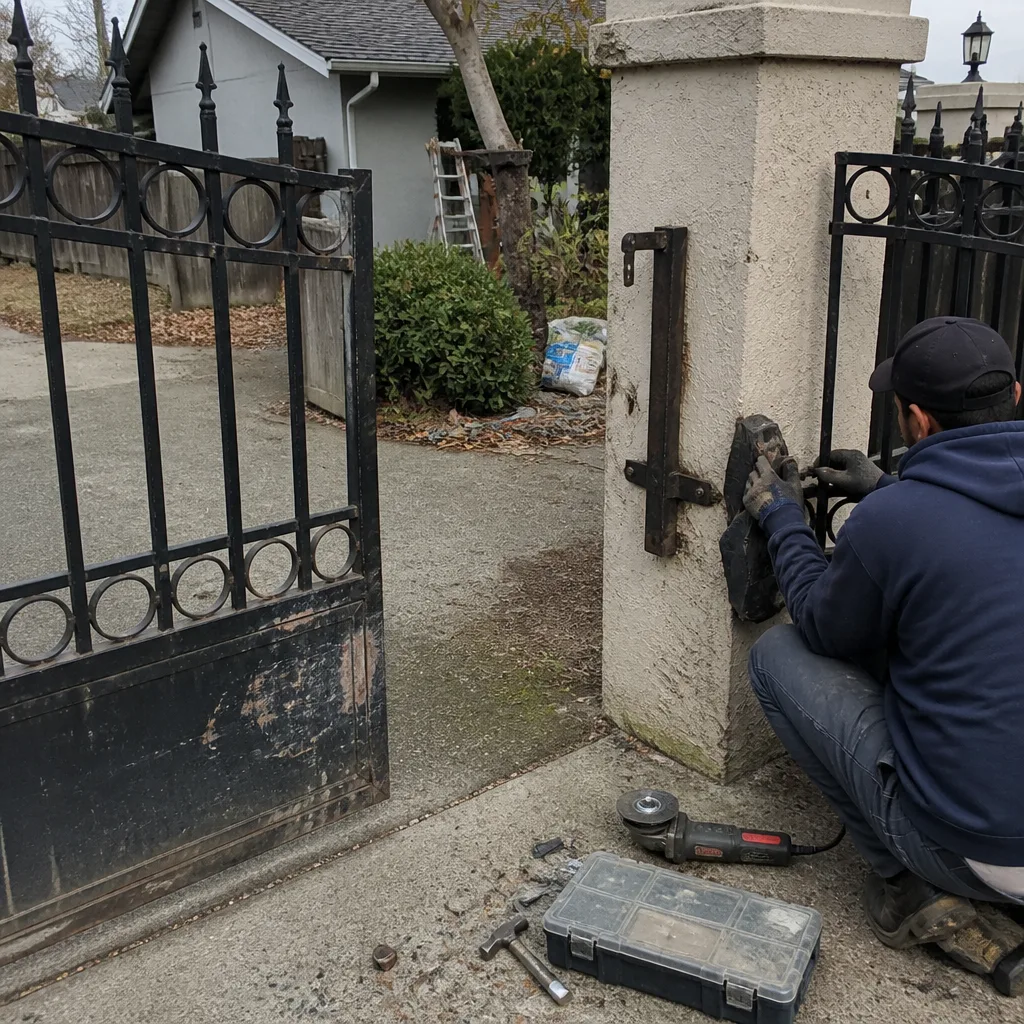 Before
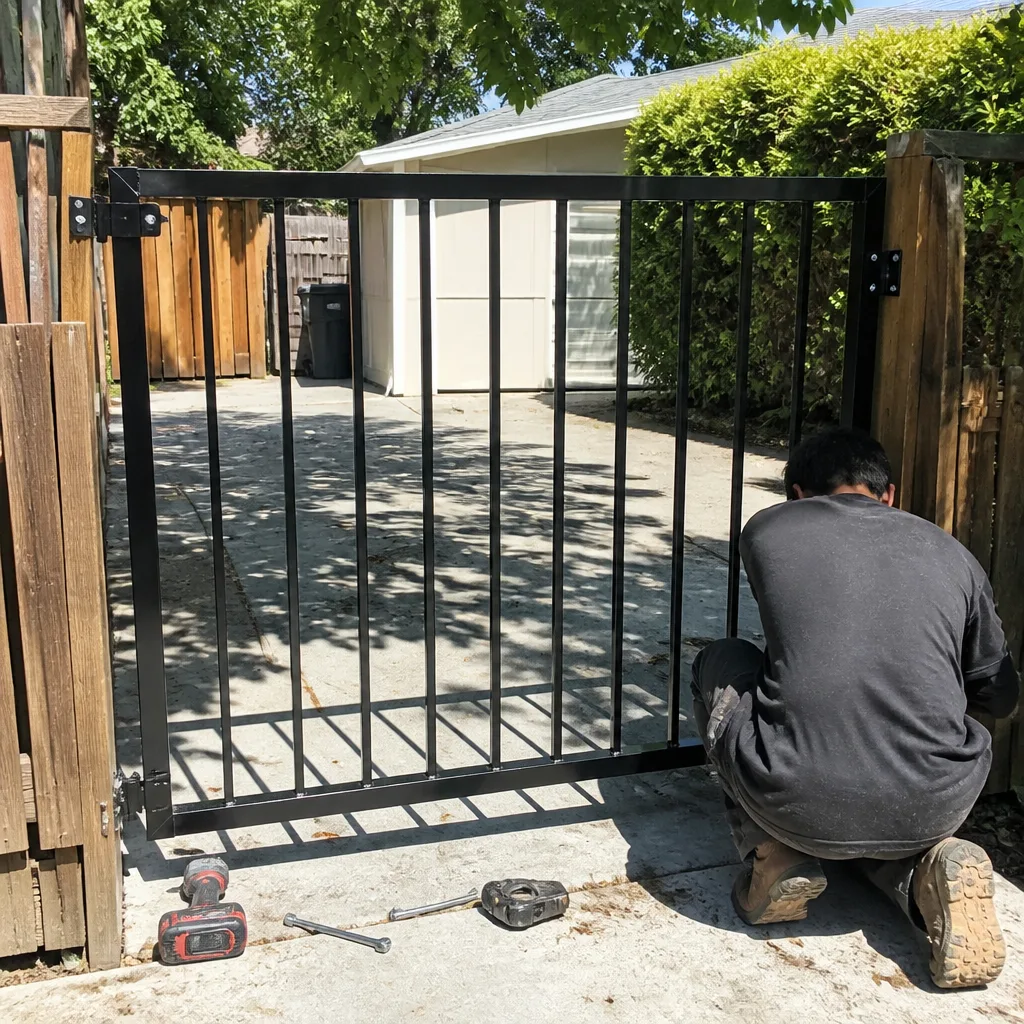 After
After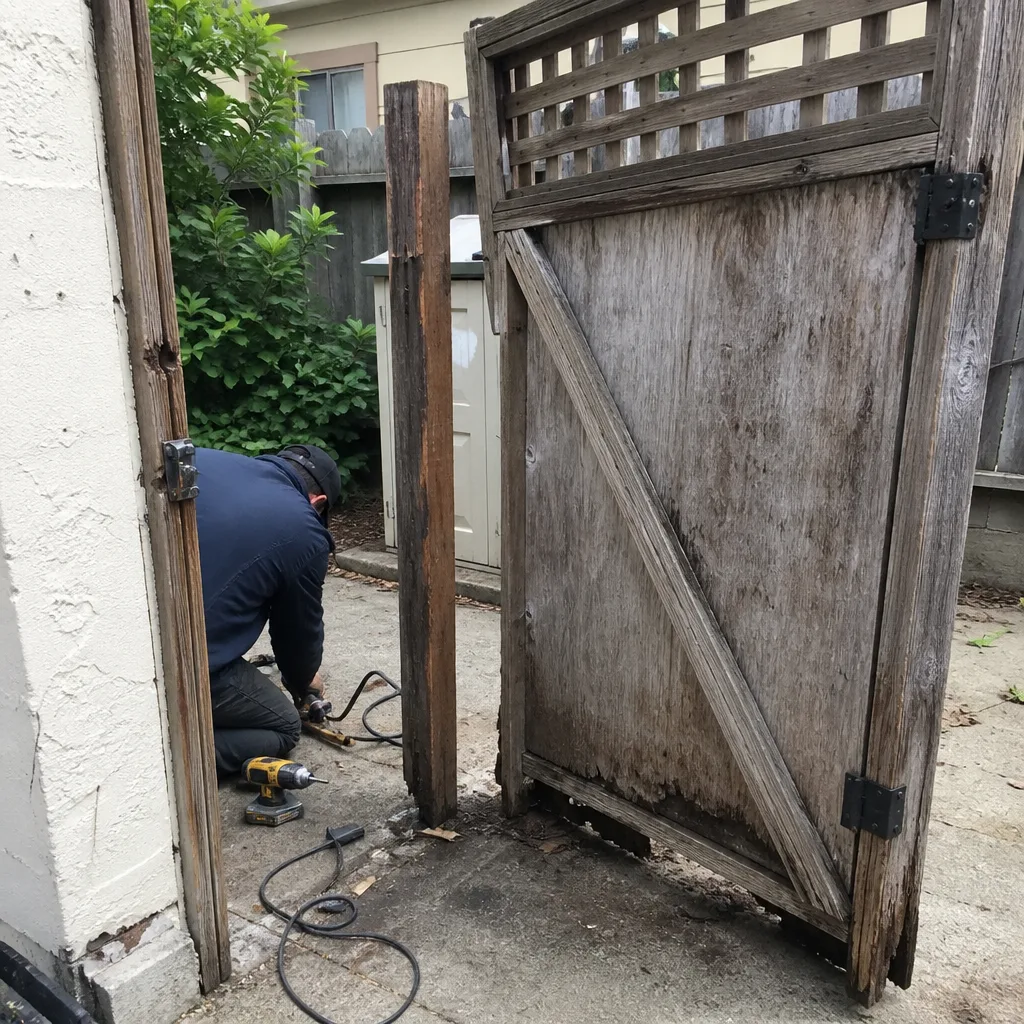 Before
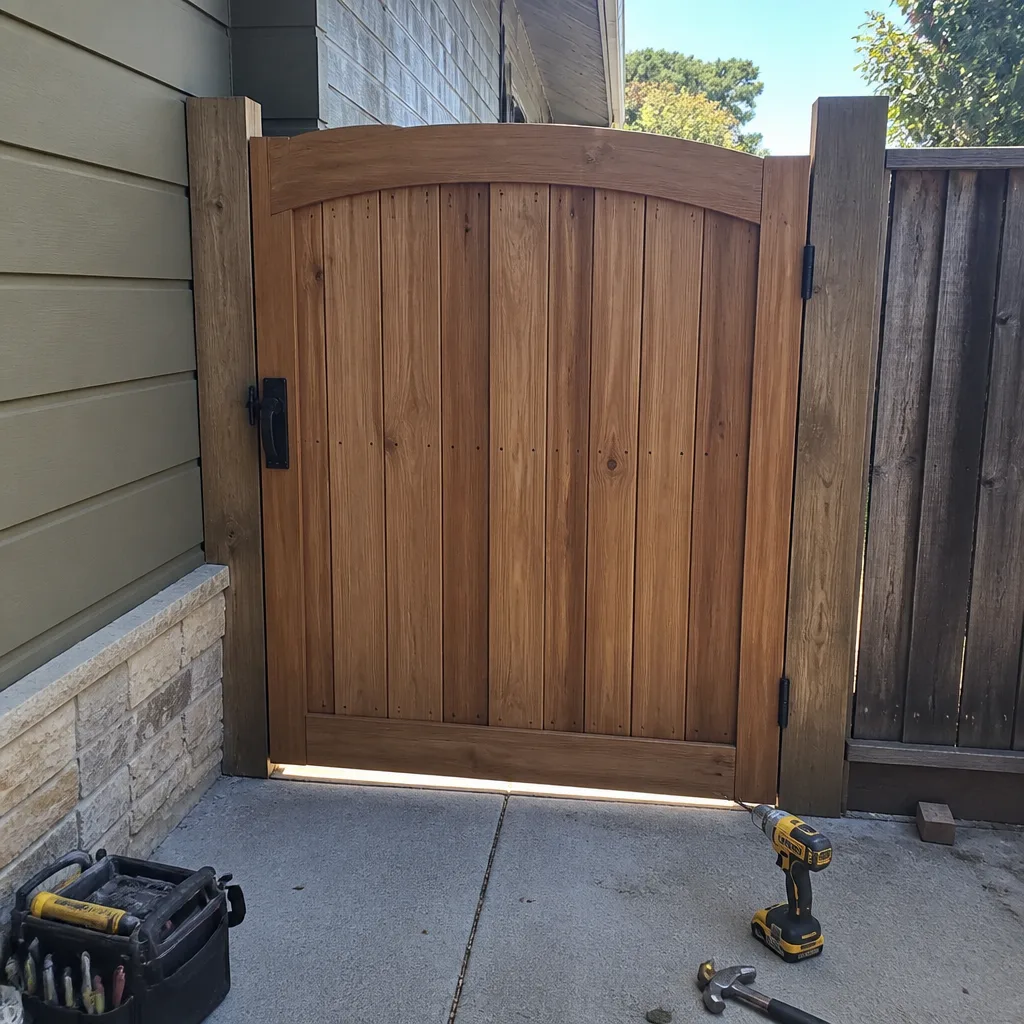 After
After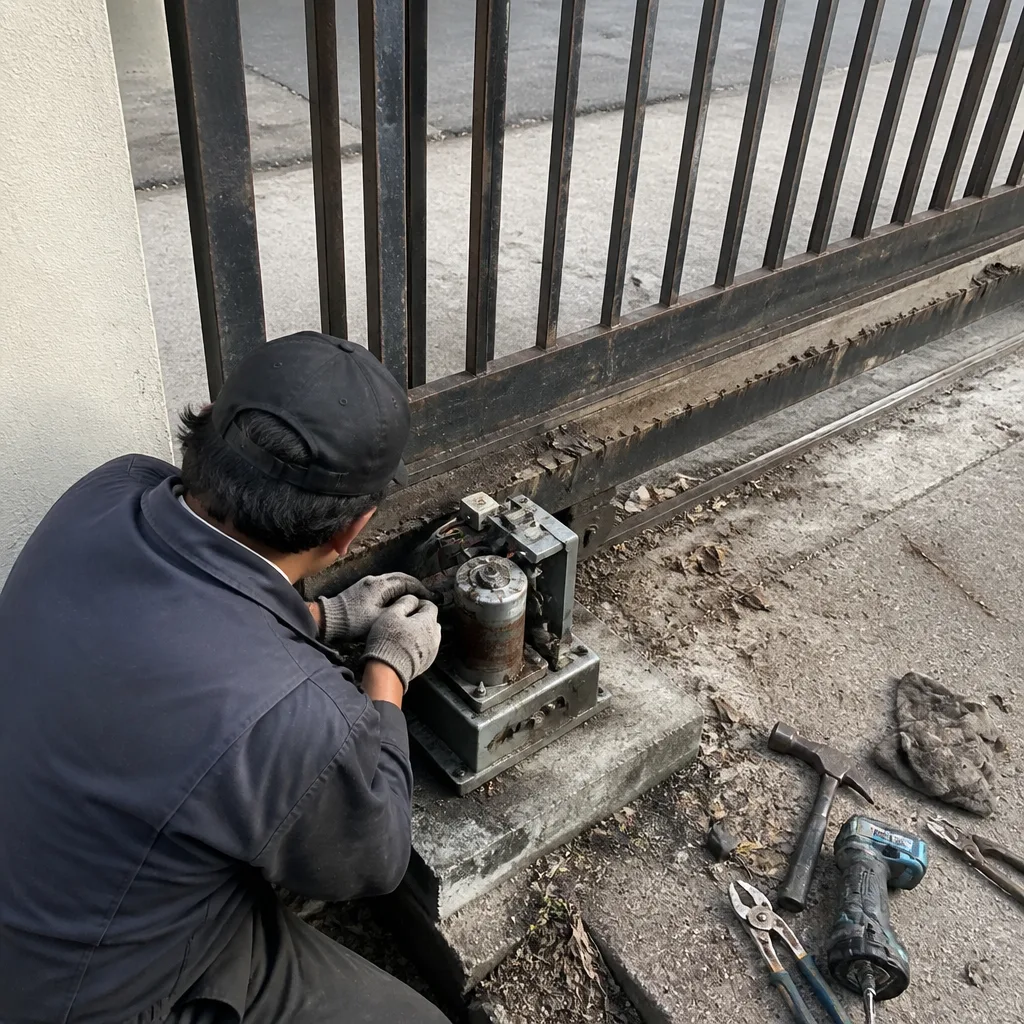 Before
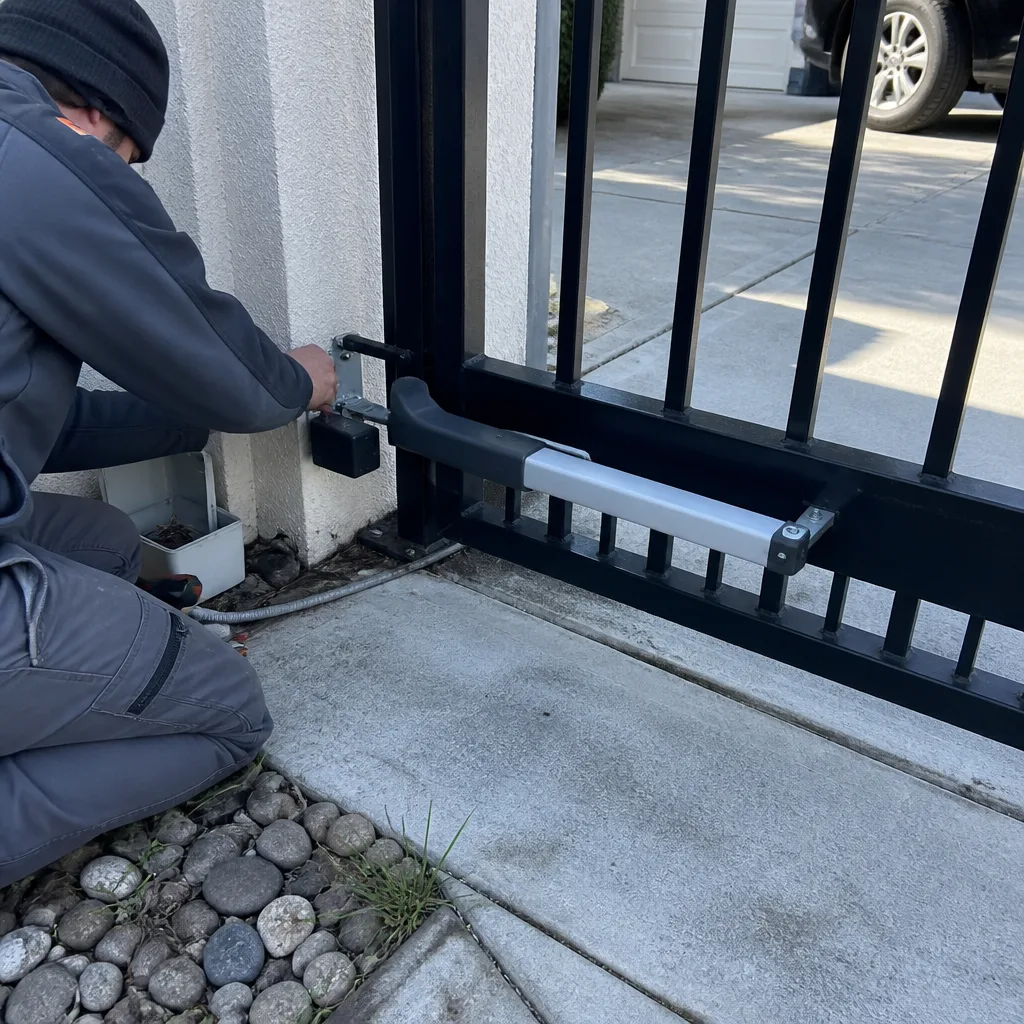 After
AfterGhost Controls Access Control Installation: The Sunnyvale Owner’s Guide
We stock and install Ghost Controls-compatible access control hardware for the TSS1, TDS2, and APT series operators, with most installed access control packages in Sunnyvale running between $340 and $780 depending on keypad type, wiring run length, and whether we need to add a new low-voltage conduit from the house. Same-day installation is available when we have your model in our running log - which we do for most Ghost Controls units we’ve seen twice or more across Sunnyvale, including the Lakewood Village area where swing-gate calls keep us busy in spring after the winter moisture works into the control board housings.
Most Sunnyvale owners discover their Ghost Controls access control is failing when the keypad stops responding to codes on wet mornings, the remote intermittently triggers from fifty feet instead of two hundred, or guests start calling because the gate won’t open during the timed entry window. The underlying issue is usually corrosion in the control board terminal block or a failing transformer that drops voltage under load - both problems that start small and get expensive if you wait for total failure.
Which Ghost Controls Models This Applies To
Ghost Controls organizes its residential line into three series, and the access control installation differs meaningfully between them. The TSS1 (single swing) and TDS2 (dual swing) share the same DTP1 control board with a 24-volt AC terminal block rated for 500mA accessory draw - that’s your hard ceiling for keypad, exit wand, and any additional photo-eyes combined. The APT (ornamental/aluminum) series uses a physically smaller board with tighter wire routing, so retrofitting a full-featured keypad often requires relocating the board or adding an external junction box. Check your model on the motor housing label; if the sticker’s faded from Sunnyvale sun exposure, measure the operator arm length - TSS1 runs 18 inches, TDS2 runs dual 18-inch arms, and APT arms are 14 inches with a distinct aluminum casting at the elbow joint.
We install OEM Ghost Controls keypads (AXWK, AXWK-LR) and exit sensors when the owner wants factory warranty alignment, but we also carry Seco-Larm and EMX aftermarket equivalents that match the voltage and protocol specs at roughly 30 percent lower part cost. The aftermarket units we use have screw-terminal blocks that match Ghost Controls’ spacing, which matters because push-in connectors on cheap keypads tend to work loose from gate vibration within two seasons. Adrian Vance keeps a compatibility cross-reference in the van - he’s logged enough Ghost Controls boards to know which aftermarket keypads throw phantom voltage spikes that confuse the DTP1’s learn mode.
Signs Your Ghost Controls Access Control Installation Is Failing
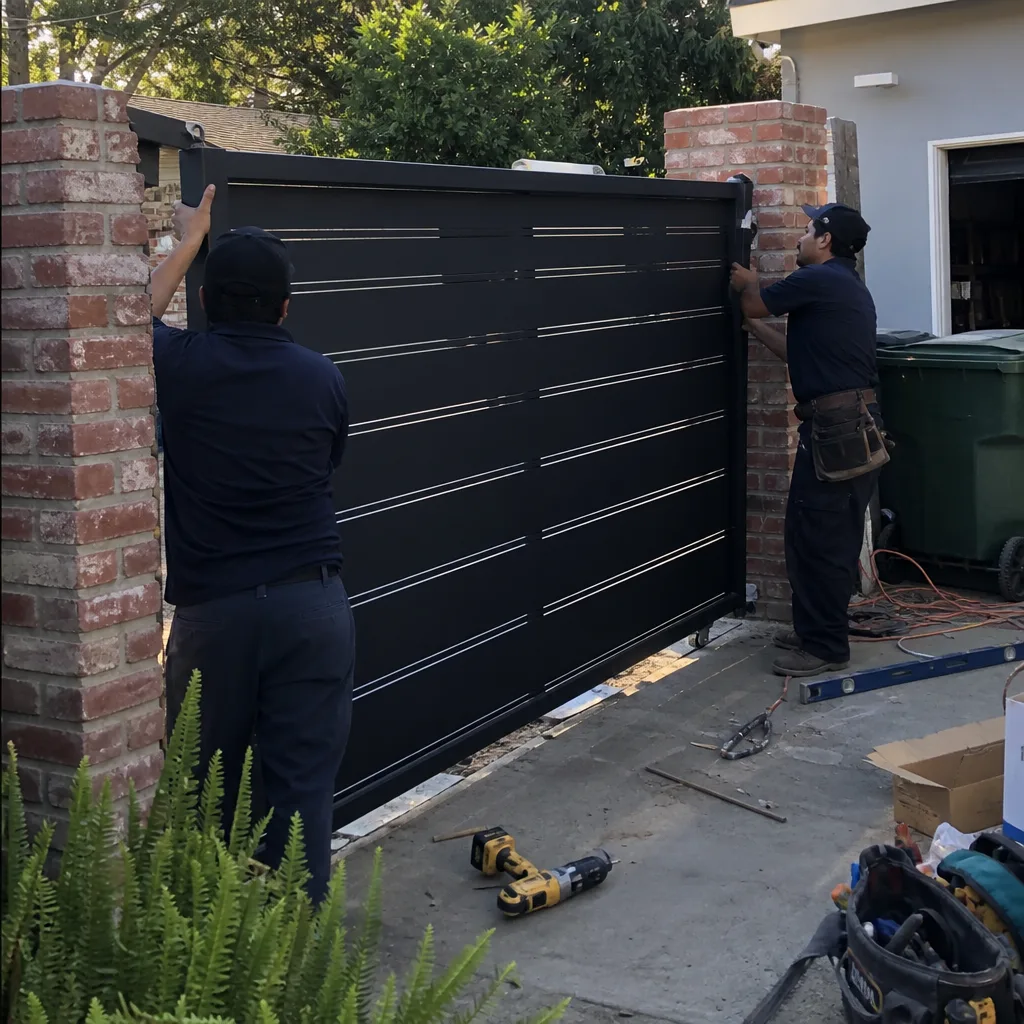
- Keypad responds intermittently or only in dry weather. Moisture intrusion at the keypad housing corrodes the ribbon cable connector. In Sunnyvale, morning marine layer condensation collects in surface-mount keypads that face west; we see this most often on installations where the original installer skipped the dielectric grease on the terminal screws.
- Remote range drops from full driveway to near-gate only. The receiver antenna coax fatigues at the control board connection point from repeated gate cycling. Ghost Controls uses a specific RP-SMA connector that aftermarket antennas often mismatch - we stock the correct adapter because we’ve learned the hard way that forcing a fit cracks the board solder.
- Gate opens but won’t close, or reverses mid-travel. The photo-eye (the infrared beam that stops the gate if something crosses the path) is misaligned, or the control board’s auto-close timer has reset to zero from a voltage sag. We check this with a multimeter at the terminal block - if the 24V AC reads below 22 under load, the transformer is failing.
- Keypad beeps but motor doesn’t engage. The access control is sending signal but the control board isn’t translating it to motor output. On Ghost Controls units this often traces to a failed relay on the DTP1 board - we test this by jumping the motor leads directly to confirm the motor itself is sound before quoting board replacement.
- Multiple remotes fail simultaneously after working fine. The control board’s receiver has lost its learned codes, usually from a power surge or low-voltage event. Sunnyvale’s grid sees brief outages during Santa Ana wind season that don’t trip breakers but scramble volatile memory - we install a surge protector on the transformer primary when we replace the board.
 Before
 After
AfterReplacement Cost & What’s Included
| Component | Typical Range in Sunnyvale | What Drives the Variance |
|---|---|---|
| Basic keypad installation (OEM AXWK) | $340 - $480 | Wiring run length from motor to keypad mount; stucco vs. wood siding penetration |
| Long-range keypad with wireless receiver (AXWK-LR) | $520 - $680 | Separate receiver mounting, antenna routing, range testing at property boundary |
| Exit wand / vehicle sensor add-on | $280 - $420 | Trenching for direct burial cable vs. existing conduit availability |
| Full access control package (keypad + exit + photo-eyes) | $620 - $780 | Control board load calculation, possible external relay or junction box |
| Control board replacement (if damaged) | $380 - $560 | OEM DTP1 vs. refurbished; programming labor for limit and force settings |
The price we write is the price you pay - under Haven Standard Clause 1, we hand you a written scope and dollar figure before touching tools. That scope lists every part number, labor line, and the documentation you’ll receive. Under Clause 4, every installation gets a photographed record: keypad serial number, control board terminal torque settings, and the voltage reading under full accessory load. Our 365-Day Done Right Promise covers the installation - if anything fails from workmanship or part defect within one year, we make it right at no charge.
DIY or Call Us?
There’s a safe middle ground for Ghost Controls owners, and then there’s where we step in. You can verify the transformer output yourself with a $15 multimeter - set to AC volts, probe the two accessory terminals with the keypad connected; anything below 22 volts under load means the transformer is sagging and the board will act erratically. You can also check for obvious corrosion at the terminal block and tighten any loose screws with the power disconnected at the breaker.
What we don’t recommend: opening the control board enclosure while power is present (24 volts AC can arc and damage the board logic), forcing non-matching connectors, or attempting to program a new keypad without clearing the board’s memory first - Ghost Controls’ learn mode stacks codes rather than replacing them, and a full memory causes lockout behavior that looks like hardware failure. The low-voltage wiring run from house to gate also needs proper burial depth and conduit sleeving where it crosses hardscape; we’ve redone enough homeowner trenches in Sunnyvale that cracked from root pressure or settled below grade. If you’re unsure about any step, call us - we carry the correct Ghost Controls adapters in the van and we’ll quote the work in writing before starting.
FAQs
Five to eight years for the keypad and receiver under normal use, though we’ve replaced units as early as three years when they’re mounted in direct west-facing sun without a hood or when the original installer skipped the dielectric grease on terminal connections. The marine layer moisture that rolls through Sunnyvale in spring and fall accelerates corrosion in unsealed housings - we address this by applying silicone grease to every terminal and recommending a keypad with a built-in hood for exposed locations. Call (669) 900-1904 if you’re unsure whether your current install is properly sealed - estimates are free.
Sometimes. A failed transformer or corroded terminal block is repairable at lower cost than full replacement. A cracked control board or water-damaged keypad logic is not - we’ve attempted board-level repair and found the failure returns within months due to residual moisture damage. We always diagnose first and present both options in writing under Haven Standard Clause 1. Call (669) 900-1904 to schedule a diagnostic visit.
Most Ghost Controls access control installations in Sunnyvale take two to three hours from arrival to tested operation. That includes mounting the keypad, running low-voltage cable through existing or new conduit, programming up to four remotes or codes, and documenting the voltage readings and limit settings. If we need to trench a new cable run or relocate the control board in an APT series with tight internal routing, add an hour. We schedule these by appointment - we don’t promise same-day for installation because the work is measured, scoped, and priced in writing before we start.
We carry OEM Ghost Controls keypads (AXWK, AXWK-LR), DTP1 control boards, transformers, and the specific RP-SMA antenna adapters that fit their receiver jacks. We also stock Seco-Larm and EMX aftermarket equivalents that we’ve cross-referenced for voltage and protocol compatibility. Adrian Vance maintains a running log of every Ghost Controls model he’s opened more than twice across Sunnyvale - when you call with your model number, we can usually confirm stock without a site visit. Call (669) 900-1904 and we’ll check the van inventory against your unit.
Written by Adrian Vance, Owner & Lead Technician, Vance Gate Repair Sunnyvale at Vance Gate Repair Sunnyvale, serving Sunnyvale and nearby areas.